The largest cities by population in California are Los Angeles, San Diego, San Jose, San Francisco, Fresno, Sacramento, Long Beach, Oakland, Bakersfield, and Anaheim (based on U.S. Census Bureau July 1, 2024 population estimates).
If you’re looking for an apartment in California, knowing the biggest cities helps. Larger cities often have more rentals, a wider range of neighborhoods, and more job opportunities.
Why population size matters when you’re renting in California
Population numbers are more than just trivia. For renters, the term “biggest city” often means:
- More apartments to choose from. Bigger cities usually have more units in different neighborhoods, which is helpful if you’re considering things like price, pets, parking, or having your own washer and dryer.
- Wider range of rents. In big cities, you’ll find both expensive areas and more affordable neighborhoods, especially if you’re open to a longer commute for more space.
- More job centers. The largest cities in California are home to major industries such as entertainment, aerospace, biotech, and government.
- More “micro-markets.” Your experience can vary a lot from one neighborhood to another. In a big city, choosing the right neighborhood is often more important than the city as a whole.
All population figures below come from the U.S. Census Bureau’s Vintage 2024 estimates (July 1, 2024) for incorporated places.

The 10 largest cities by population in California (with renter takeaways)
1. Los Angeles — 3,878,704
Los Angeles is the largest city in California by a wide margin, both in population and geographic area.
What that means for renters: LA offers enormous variety, from beachside neighborhoods to dense urban areas and quieter valley communities. It’s a good city if you want options, but being strategic matters. Narrowing your search by commute and daily lifestyle, rather than trying to search all of LA at once, can save significant time and frustration.
Renter reality check: In Los Angeles, commute time often shapes housing decisions. Start by mapping where you go most days—work, school, or regular activities—and focus on neighborhoods that make those routines easier.
2. San Diego — 1,404,452
San Diego is California’s second-largest city and a major coastal job market.
What that means for renters: San Diego feels large in both size and lifestyle, even though it’s smaller than LA. You’ll find beach neighborhoods, city areas, family-friendly spots, and a strong focus on outdoor living.
Renter reality check: If you’re paying higher rent to live near the coast, make sure you’re getting what matters most to you, like easy access to the ocean, walkable restaurants, public transit, or a shorter commute.
3. San Jose — 997,368
San Jose anchors Silicon Valley and sits just under the 1 million mark in the latest estimates, making it the third-largest city in California by population. It’s also one of the state’s largest cities geographically, covering more than 181 square miles, which can make it feel spread out.
What that means for renters: In San Jose, you’re often balancing proximity to tech jobs with apartment age, price, and neighborhood feel. It’s a good option if you want a shorter commute to South Bay job centers while still having access to the broader Bay Area on weekends.
Renter reality check: In competitive job markets, flexibility helps. Being open with your move-in date and considering nearby neighborhoods with similar amenities can give you more options and better value.
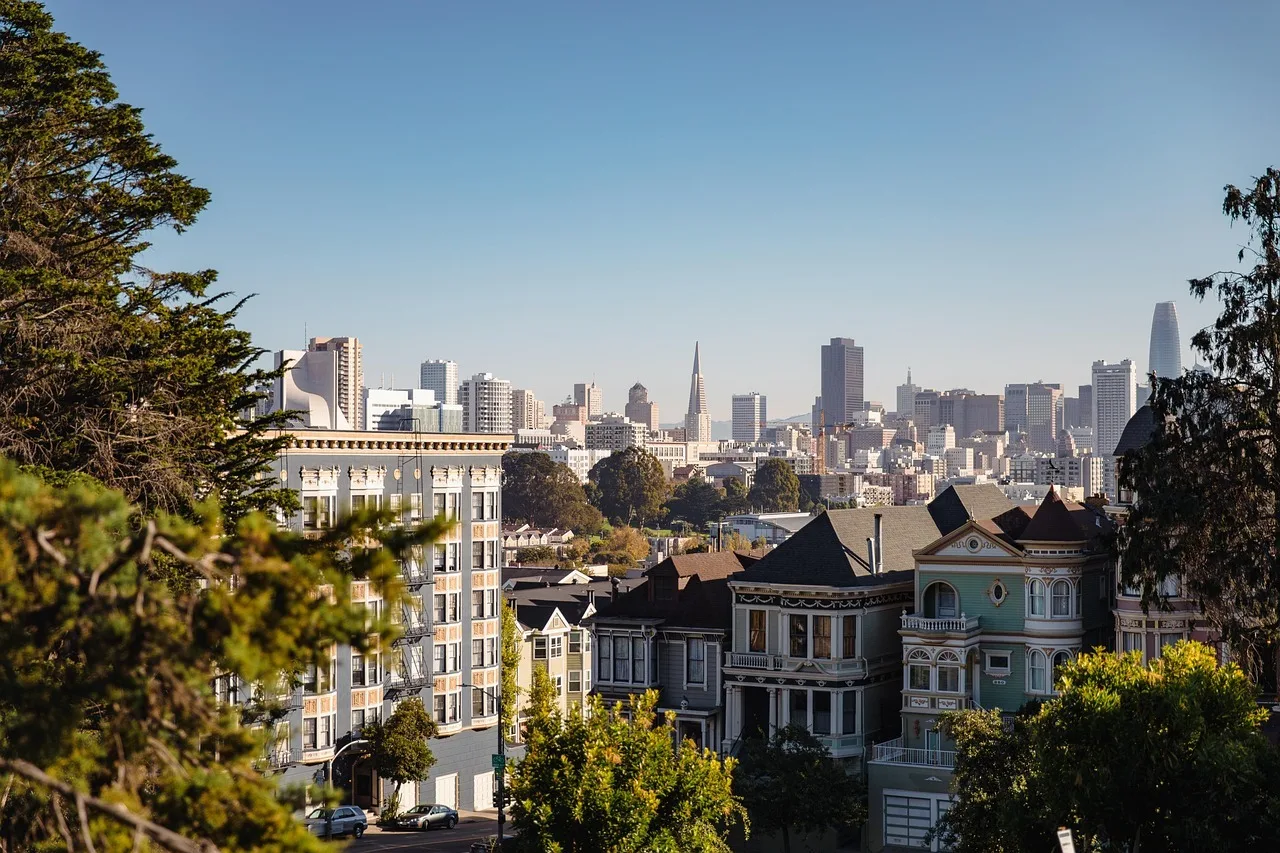
4. San Francisco — 827,526
Despite is geographically small size, San Francisco is one of California’s largest cities by population—and one of its most distinct rental markets. Just over 800,000 people live within 49 square miles, so housing demand is high, and availability, pricing, and building types can vary a lot by neighborhood.
What that means for renters: San Francisco is compact, so the feel of a neighborhood can change quickly, sometimes from one block to the next. If you like dense, walkable areas and rely on public transit, SF offers a lifestyle that’s hard to find elsewhere. Many renters accept smaller apartments in exchange for location, shorter commutes, and easier access to daily essentials.
Renter reality check: In a dense city, details matter. Natural light, noise, building age, laundry, parking, and storage can affect day-to-day comfort more than a small difference in rent. Touring carefully and prioritizing what you actually use each day can help you avoid tradeoffs that don’t work long term.
5. Fresno — 550,105

Fresno is the largest city in California’s Central Valley and a key regional hub for agriculture, healthcare, education, and logistics. Its size means it functions as the main service and employment center for much of the surrounding region, while still offering noticeably lower housing costs than most coastal California cities.
What that means for renters: Fresno is a strong option if you want more living space, newer or larger units, and lower rents than you’d typically find along the coast, while still having access to big-city essentials like hospitals, universities, shopping, and entertainment. Many renters find they can afford larger apartments, single-family rentals, or dedicated parking here that would be out of reach in coastal markets.
Renter reality check: Fresno works best when location and convenience line up. Commute times can vary widely depending on where you live and work, and many errands require a car. When choosing a neighborhood, pay close attention to proximity to job centers, family, and weekend destinations, since accessibility is a major part of Fresno’s overall value.
6. Sacramento — 535,798
Sacramento is California’s capital and a major job center. Originally a commercial hub and gateway to the Gold Rush mining regions, it has grown into a center of state government and related industries.
What that means for renters: Sacramento is popular with people who want a city atmosphere but also more space. It has unique neighborhoods, a lively food and culture scene, and is close to places like wine country, Tahoe, and the Bay Area for weekend trips.
Renter reality check: Sacramento offers a good balance. You get city amenities without some of the stress or high prices found in the biggest coastal cities. And your proximity to Tahoe is a great way to experience nature all year long.
7. Long Beach — 450,901
Long Beach, one of California’s largest cities, is considered part of the greater LA area, but is its own city with its own distinct character.
What that means for renters: Long Beach is a great alternative to central LA if you want to live near the coast and enjoy a more local, relaxed vibe while still offering a range of commute options across LA County.
Renter reality check: Consider Long Beach if you want LA access but don’t need to be in the middle of LA every day.
8. Oakland — 443,554
Oakland is a major city in the East Bay with direct transit to San Francisco and its own unique culture. It’s an easy commute on the BART, getting you into downtown SF within 20-30 minutes, depending on where in Oakland you choose to live. Oakland is diverse, lively, and home to an excellent food scene.
What that means for renters: Oakland is a top choice if you want to be close to the Bay Area, enjoy a vibrant social scene, and have more neighborhood options than in the most crowded parts of San Francisco.
Renter reality check: In areas with several cities, you can often get a better apartment by accepting a longer commute. Just make sure the travel time fits your daily routine.
9. Bakersfield — 417,468
California’s largest cities are limited to its coastline: located in California’s Central Valley is Bakersfield, a major city known for it agricultural economy.
What that means for renters: Bakersfield is a good fit if you prefer drier inland communities that offer easy access to regional travel, without the high costs of coastal cities. It’s appealing to renters who want more room, less competition, and a lifestyle that prioritizes convenience over density.
Renter reality check: If getting more space for your money is most important, consider large inland cities, especially if you work remotely or have a hybrid schedule.
10. Anaheim — 344,561
Anaheim is the 10th-largest city in Orange County and has strong connections to local jobs and tourism.
What that means for renters: Anaheim is a good choice if you want access to Southern California, job opportunities in Orange County, and to be close to major amenities, without having to live in LA itself.
Renter reality check: In Southern California, choosing the right city is often less important than being close to your work, friends, and daily errands. Anaheim can be a practical middle ground.
Comparing California’s largest cities
| Los Angeles | 3,878,704 (Census.gov) | Southern California | Maximum neighborhood choice and job variety | Commute sprawl; building quality varies widely |
| San Diego | 1,404,452 (Census.gov) | Southern California | Coastal lifestyle with city amenities | Price competition near the coast |
| San Jose | 997,368 (Census.gov) | Bay Area | Proximity to South Bay job hubs | Fast competition in high-demand pockets |
| San Francisco | 827,526 (Census.gov) | Bay Area | Dense, walkable city life | Smaller units; quality-of-life details matter |
| Fresno | 550,105 (Census.gov) | Central Valley | More space with big-city services | Hot summers; car-first layouts in many areas |
| Sacramento | 535,798 (Census.gov) | Northern CA / Central Valley edge | “Best of both” city feel + access to day trips | Neighborhood micro-markets; commute patterns |
| Long Beach | 450,901 (Census.gov) | LA County | Coastal access + LA proximity | Parking and building amenities can vary |
| Oakland | 443,554 (Census.gov) | Bay Area | East Bay culture + transit access | Block-by-block differences; commute timing |
| Bakersfield | 417,468 (Census.gov) | Central Valley | Practical living and space | Car dependence; job clusters vary |
| Anaheim | 344,561 (Census.gov) | Orange County | OC access + regional convenience | Competition near major hubs/attractions |
How to choose between California’s biggest cities as a renter
When you’re choosing where to rent, try following these steps:
- Start with your non-negotiables. Commute time, budget ceiling, and unit needs (pets, parking, roommates, WFH space).
- Figure out your “daily radius.” Think about where you actually go most days, like work, the gym, your partner’s place, friends, family, or school.
- Pick three to five neighborhoods before you pick a city. In California, finding the right neighborhood usually matters more for your happiness than just choosing a city name.
- Test your commute by mapping it during the times you actually travel, not just in the middle of the day.
- When you tour apartments, bring a list of dealbreakers. Many people find that noise, lighting, laundry, parking, and the availability of building maintenance are their biggest issues.
Next step: Start your search on Zumper, compare different neighborhoods, and save a few backup options. Rentals in California go quickly, so having choices helps.
FAQ: Largest cities in California
What is the largest city in California by population?
Los Angeles is the largest city in California by population, with an estimated 3,878,704 residents as of July 1, 2024.
What are California’s five largest cities?
Los Angeles, San Diego, San Jose, San Francisco, and Fresno are the five largest cities by population in California (July 1, 2024 estimates).
Is San Jose bigger than San Francisco?
Yes. San Jose’s July 1, 2024, estimated population (997,368) is larger than San Francisco’s (827,526).
Are these numbers the city population or the metro area population?
These figures are for city population (incorporated places), not the broader metro area.
Which big California cities are inland (not coastal)?
Fresno, Sacramento, Bakersfield, and San Jose are inland cities (San Jose is inland but close to the coast). Los Angeles, San Diego, Long Beach, Oakland, Anaheim, and San Francisco are coastal or near-coastal.
How should renters use population data when apartment hunting?
Use population size to gauge how many rentals and neighborhoods are available, then narrow your search by budget, commute, and must-have features.
Related content