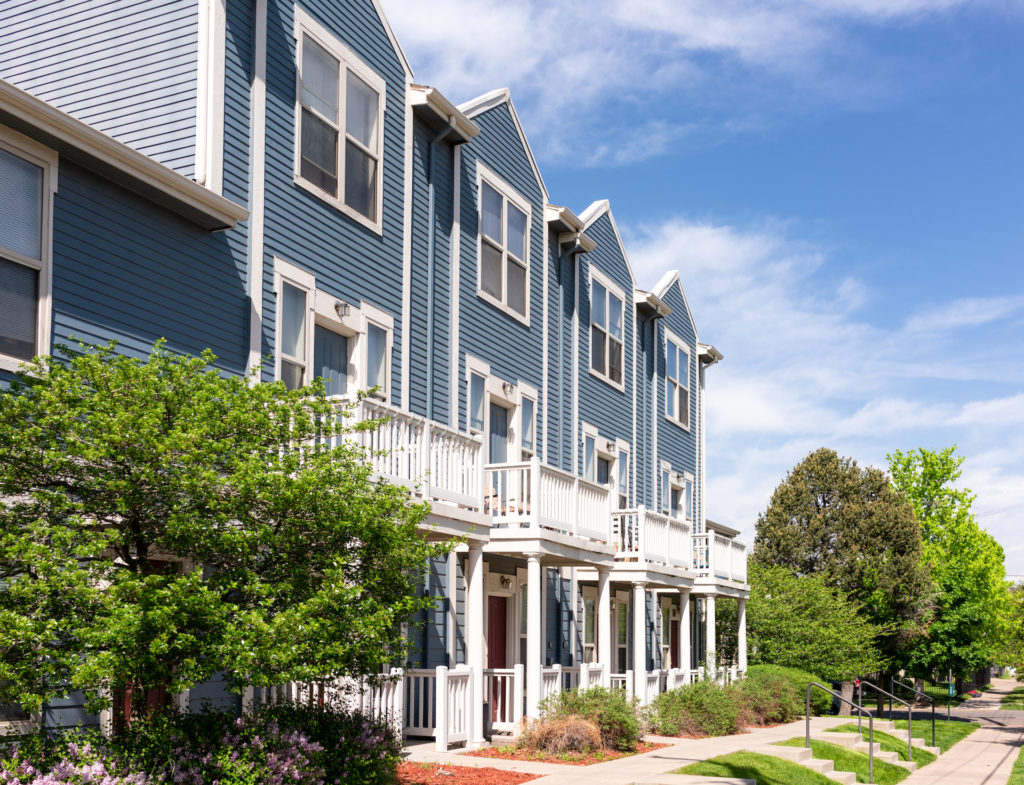
Section 42 housing is part of a federal tax program designed to make affordable housing more accessible for low-income families. If you make less than 60% of the median income for the area that you live in, you may qualify for this cost-saving program.
Section 42 Housing Background
Section 42 is also known as the Low Income Housing Tax Credit (LIHTC) program. Created as part of the Tax Credit Reform Act of 1986, this housing program provides developers with a tax credit for the construction or acquisition of rental properties if they agree to designate some of their housing for low-income residents. After receiving the credit, these property owners must offer these tax credit apartments at an affordable rate for a specified period of time.
Section 42 housing is rented below the market rate for that community. There are specific guidelines per county that cap the amount a Section 42 community may charge for rent on these units. Some apartment complexes are comprised entirely of Section 42 housing, while others may keep some of their units at the market rate for higher-income renters.
Who qualifies for Section 42 housing?
To qualify for Section 42 housing, you must fall within the income guidelines for your area. This type of housing is typically reserved for families who make less than 60% of the area median income, which varies by county. Some communities also designate units for renters who make under 50%, 40%, and 30% of the area median income.
The maximum allowable income for renters in Section 42 housing varies based on the size of the household. A household includes:
- All individuals living in the unit
- Individuals who are temporarily absent (such as students attending school or members confined to a hospital or nursing home)
- Children in a joint custody agreement who reside there at least 50% of the time
- Military members away on active duty if one of the following applies: head or co-head of the household, left a spouse in the household, or left a dependent child in the household
Section 42 Income Limits
Section 42 housing cannot cost more than 30% of the household’s annual income, though it can fall below this amount. An income increase will not cause a renter to get evicted from their housing mid-lease. However, if the renter’s income exceeds 140% of the income limit for the area, the landlord may convert the unit to a market-rate status, thus increasing the cost of rent. In addition, the maximum allowable rent for a Section 42 apartment varies based on the location. The program specifies the maximum allowable rent for these units in each county based on the number of bedrooms.
Can students live in Section 42 housing?
The Section 42 housing program was not designed for dormitories or student housing. Therefore, a household is ineligible if it’s comprised entirely of full-time students. Likewise, if all of the residents in a Section 42 housing unit become full-time students during the course of their lease, they must vacate the unit. A household may contain some full-time students if there are others living in the unit as well.
How to Find Section 42 Apartments
You should contact your local Public Housing Authority (PHA) to locate communities that offer Section 42 housing in your area. Your PHA can provide other valuable information as well, such as the income limits for your county and details on other housing programs that you may qualify for.
You can find a listing of all the PUAs in your state on the HUD website. This gives you a phone number, email address, and physical address for each office. You can also call 1-888-995-HOPE (4673) for assistance in finding a HUD-approved housing counseling agency.
How to Apply for Section 42 Housing
You must fill out detailed paperwork on your income and assets when applying for Section 42 housing. Your income and assets include:
- Earned income
- Social Security benefits
- Child support
- Alimony
- Scholarships
- Inheritance
- Trust fund assets
- Other unearned benefits
- Interest from bank accounts
The landlord will require proof of income from your employer, details on your checking and savings accounts, and paperwork supporting the amounts provided for any other assets and income that you receive. You must count the income and assets for every member of the household toward your total.
In addition to these income requirements, the rental community may impose additional eligibility conditions for residents, which can include:
- Credit history requirements
- Criminal background checks
- Previous landlord history
- Minimum income requirements
The apartment complex providing housing under HUD Section 42 reviews your application and determines eligibility. You will have to update this paperwork annually, providing the same information and proof to maintain your Section 42 housing.
Section 42 vs. Section 8 Housing
Section 8 housing is another offering for low-income families, but this program is much more complex. Some of the key differences between Section 42 housing and Section 8 housing are that:
- Section 8 housing caps renter’s income at 50% of the area median income rather than 60%
- Rent for Section 8 housing is income-based and equals 30% of the renter’s income
- Applicants for Section 8 housing are placed on a waiting list that may take years
- Section 8 housing is subsidized by the government, so landlords receive monthly income equal to the difference between what the renter pays and the market price for the unit
In some states, the waiting list for Section 8 housing has become so long that applications are no longer being accepted. This is a notoriously difficult program to get into, though it provides valuable benefits for those who are accepted, chosen from the waiting list, and awarded with housing vouchers.
If you believe that you may qualify for Section 42 housing, look up participating apartment communities in your area and submit an application to find out if you can take advantage of this program.
Recherche thousands of affordable apartments on Zumper and use the income-restricted filter to find your new home.
Contenu associé