Communities come in many different shapes and sizes. In any large city, you’re bound to see apartment buildings ranging from four or fewer units to towering multi-use high-rises. Garden-style apartment complexes are meant to bridge the gap between these two extremes. Renters should know what to expect when determining the building they’d like to live in. Garden apartments can be unique and inviting. So, what is a garden apartment?
What is a garden apartment?
Garden apartments won’t necessarily have direct access to gardens or green spaces. However, Millionacres found that the term “garden apartment” can refer to any multifamily building with three or fewer stories and is surrounded by relatively green areas such as lawns, forests, community gardens, or parks.
This definition is used fairly loosely and may refer to a lower-level unit within a larger structure. Garden-style apartment complexes occupy rural, suburban, and urban parts of the city alike and often liven up an otherwise concrete jungle. Garden units themselves offer some outdoor living features. Ground floor apartments typically have large patios fit for those looking to do some small-scale gardening.
All in all, garden-style apartments are low-rise apartment buildings with natural or man-made green spaces available for use by the public or residents. These complexes are generally surrounded by low-rise buildings that sprawl along the outskirts of the property. Most garden apartment buildings offer amenities like pools, playgrounds, community gardens, large outdoor spaces, dog parks, and clubhouses. However, none of these amenities are a requirement for a building to be considered a garden apartment.
The definition of a garden apartment is somewhat ambiguous. These are a few of the things most people consider to be integral to garden apartments:
- Easy access: Garden apartments are known for having onsite parking close to your respective apartment. Additionally, the units of a garden apartment building shouldn’t require more than two flights of stairs to reach at most.
- Spread out: Garden-style apartments typically offer more space than taller or even mid-tier apartment buildings, resulting in a much quieter living space and a greater sense of privacy.
- Green spaces: Green space is essentially required for an apartment to be considered garden-style, although there are some exceptions to this rule. Most garden apartments are characterized by large areas of greenery, flowers, or woods. These areas are maintained and landscaped to be visually appealing and can even occupy interior courtyards.
- Amenities: Garden apartments will sometimes use their land for amenities rather than green space. Popular amenities such as clubhouses, pools, and lounging areas can attract renters.
- Outdoor units: Garden apartments generally have open walkways where you can walk directly to your apartment without entering through an internal lobby or hallway.
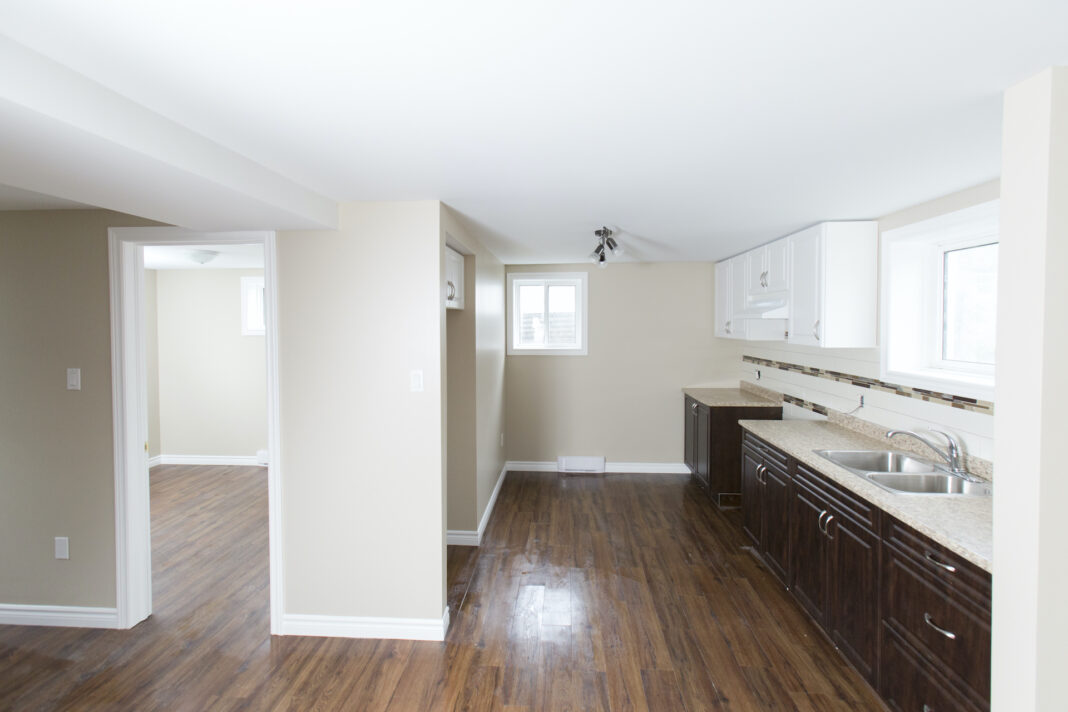
Although this definition isn’t seen all that often, the term garden apartment can be used to refer to a ground floor or basement unit with ample access to a garden. For example, a basement unit with a private patio or a first-floor apartment with a garden.
The Pros of Renting a Garden Apartment
There are several advantages to renting and living in a garden-style apartment. From accessibility to better sleep, a garden apartment can be just the right thing for certain individuals:
They’re Better for Late-Shift Workers
These units are great for those that work late or night shifts. Garden apartments are dark, quiet, and sheltered from the sun during the day. Working night shifts mean coming and going at odd hours of the day and night. Because these apartments are fairly spread out and usually on the first floor or basement levels, you can silently slip in and out without disturbing your neighbors.
They’re Accessible
Garden-style units are usually either at or near street level. This means you won’t have to contend with multiple flights of stairs or elevators. Most garden apartments have just one or two flights of stairs, if any at all, making them easy to move into.
Pet Owners Love Them
If you own a pet that needs to go outside multiple times a day, garden apartments are the perfect fit. Their low level means fewer flights up and downstairs with your four-legged friend. Garden apartment complexes are known for their plethora of green spaces, great for long walks with your pet, and will sometimes provide fully equipped dog parks to residents.
They’re Efficient
Garden apartments keep the heat and save you money in the process. The lower ceilings and carpeting helps keep heating costs low during the winter while allowing heat to rise away from the unit in the summer. According to ApartmentTherapy, this energy-efficient ratio will save you money on your electricity bill.
The Cons of Renting a Garden Apartment
Of course, garden apartments have disadvantages, as well. They range from financial concerns to reduced attractiveness:
Less Natural Light
For the same reason that these apartments are perfect for night shift workers, they are poor options for those living in cities with a shortage of daylight. If you prefer bright shiny mornings or tending to indoor plants, garden apartments probably aren’t the right fit.
Higher Humidity
If you live in an area with high humidity, your garden unit will soak that moisture up, and you’ll be stuck in it. An indoor space with a high moisture content can also attract mold and pests into the home.
There are pros and cons to every building style, but it’s always a personal decision that depends on many factors. When you’re ready to begin looking for an apartment to rent, consider these things throughout your journey; price, location, rental agreement, and renter reviews.
Contenu associé