


Editor’s note: This is a guest post, written by Emily Long, a freelance writer.
Homeowners in the US spend almost $1,900 a year on energy costs, but that number is shrinking fast. Energy-efficient appliances, cleaner energy sources, and smart home technologies have helped drive average energy spending to the lowest percentage of total income in decades. Upgrading your home with smart home tech tools can potentially reduce your energy costs, making these technologies a great investment.
Smart Homes, Smart Money
Smart home technologies are Wi-Fi connected versions of common household appliances and fixtures. They can connect together through a smart hub, allowing automation, programming, and voice commands. With thousands of home automation devices on the market, the dream of a fully automated home is becoming a reality.
Smart home products are one of the biggest trends in home improvement and for good reason. You can automate smart thermostats, light bulbs, and appliances to turn on only when needed, saving big on your electricity usage and energy costs. These five smart home upgrades can help cut your utility bill and offset their initial cost over time.
1. Smart Thermostats
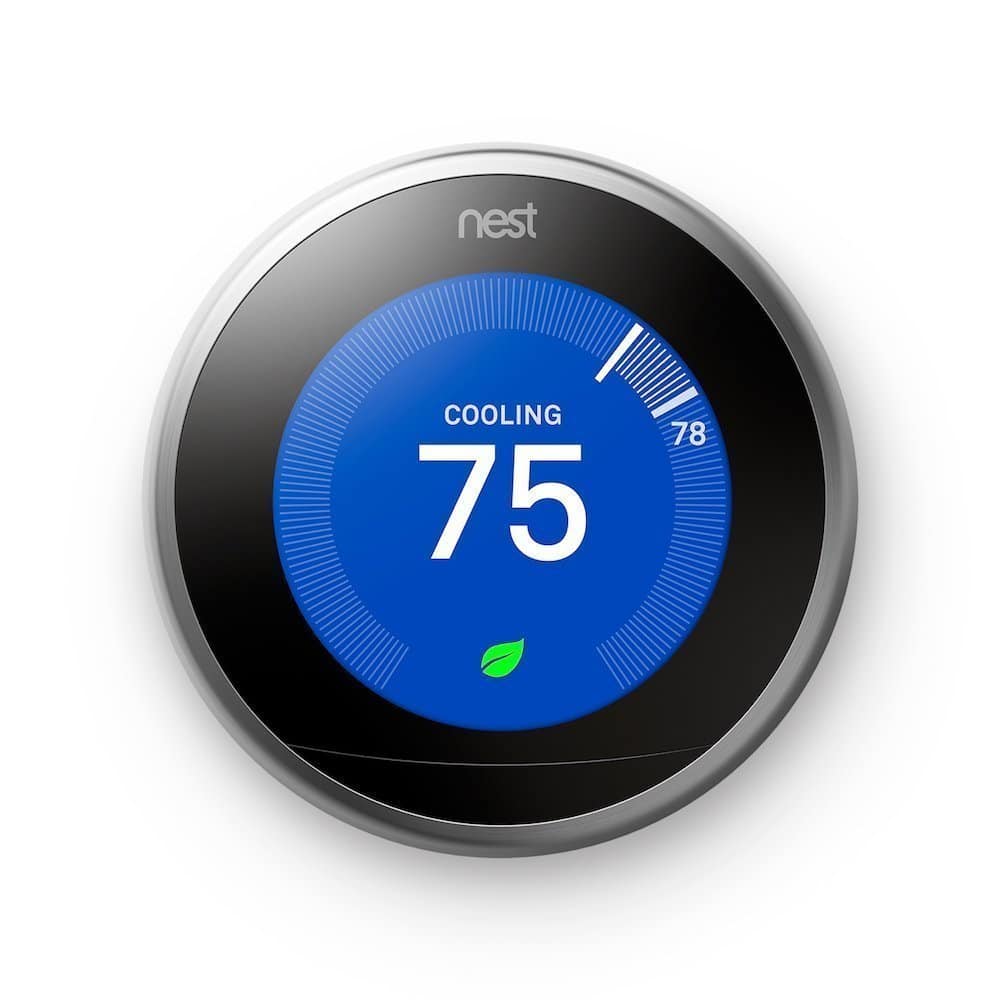
As the poster child of the smart home movement, a smart thermostat is often the gateway to smart home technology for many homeowners. These devices “learn” your behaviors over time and automatically adjust your air conditioning or heat when your home is unoccupied, saving energy and money. Many smart thermostats can also function as a hub to control all of your other smart home technology.
For cutting utility costs, a smart thermostat can be the most effective upgrade you make for your home. Heating and cooling account for 48% of your home energy use, and a smart thermostat’s intelligent programming can prevent energy waste significantly. Some energy companies even offer rebates for smart thermostats—anywhere from $50 to $150—helping you pay for your device even faster.
2. Smart Ceiling Fans
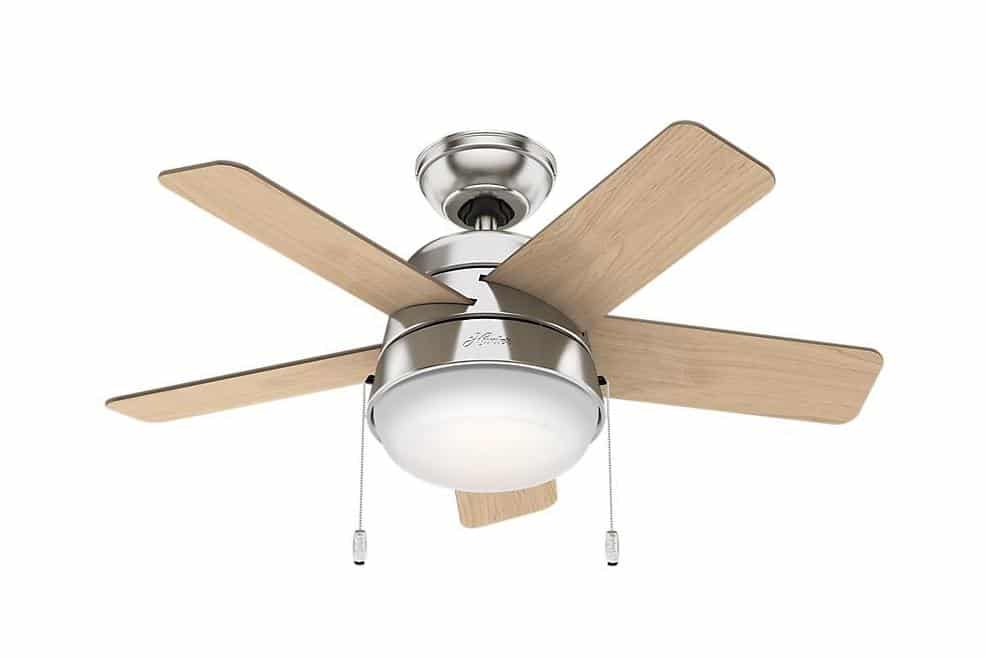
A typical ceiling fan can be a big offender for energy use, but the newest generation of efficient smart ceiling fans can keep your home’s temperature regulated without scorching your utility bill. Ceiling fans help pull warm air away from your living space in the summer and distribute warm air where it’s needed in the winter, ensuring you get the most out of your utilities.
You can control smart ceiling fans using your smartphone, and they interface perfectly with most smart thermostats, working in sync with your heating and cooling systems to keep your home at an ideal temperature. What’s more, using a fan as ventilation is an inexpensive way to cool a home, and using an ENERGY STAR ceiling fan will move the air 20% more efficiently.
3. Smart LED Light Bulbs
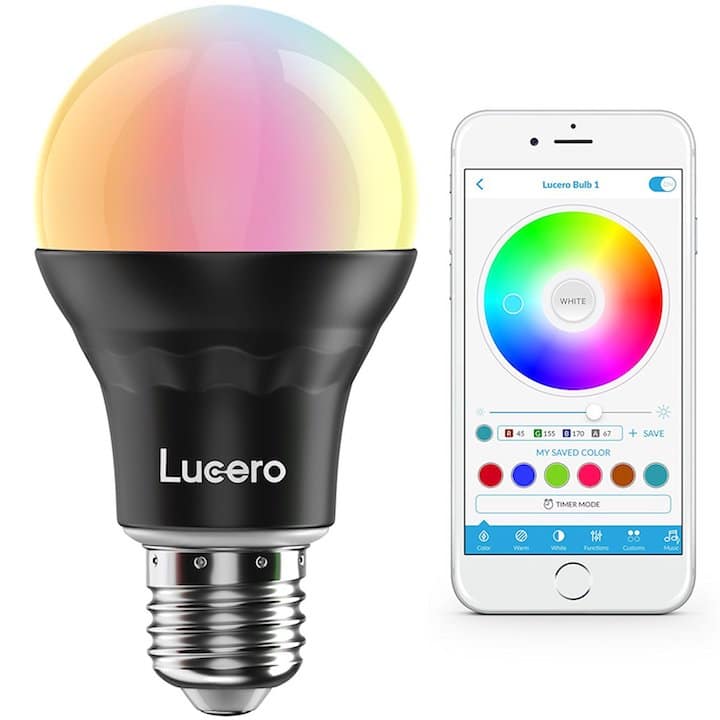
Lighting accounts for about 15% of global energy use, and the rapid development of inexpensive and reliable LED bulbs means this number may soon plummet. Many people have already transitioned to LEDs, which use 85% less electricity than an incandescent bulb. Smart LED light bulbs stand as the next logical step, integrating all of your home’s lighting with your smart home hub.
Like other smart home devices, smart bulbs can be automated to match your schedule. They learn your lighting habits over time, and you can program them to replicate these behaviors when you’re away or on vacation. If you forget to turn off the lights when you leave the house, turning them off takes one simple command from your smartphone. While the cheapest smart bulbs cost around $12, the savings will make up for it over time. And if you’re still using incandescent bulbs or CFLs, you’ll notice the drop in energy use right away once you switch over to LEDs.
4. Smart Sprinkler Controls
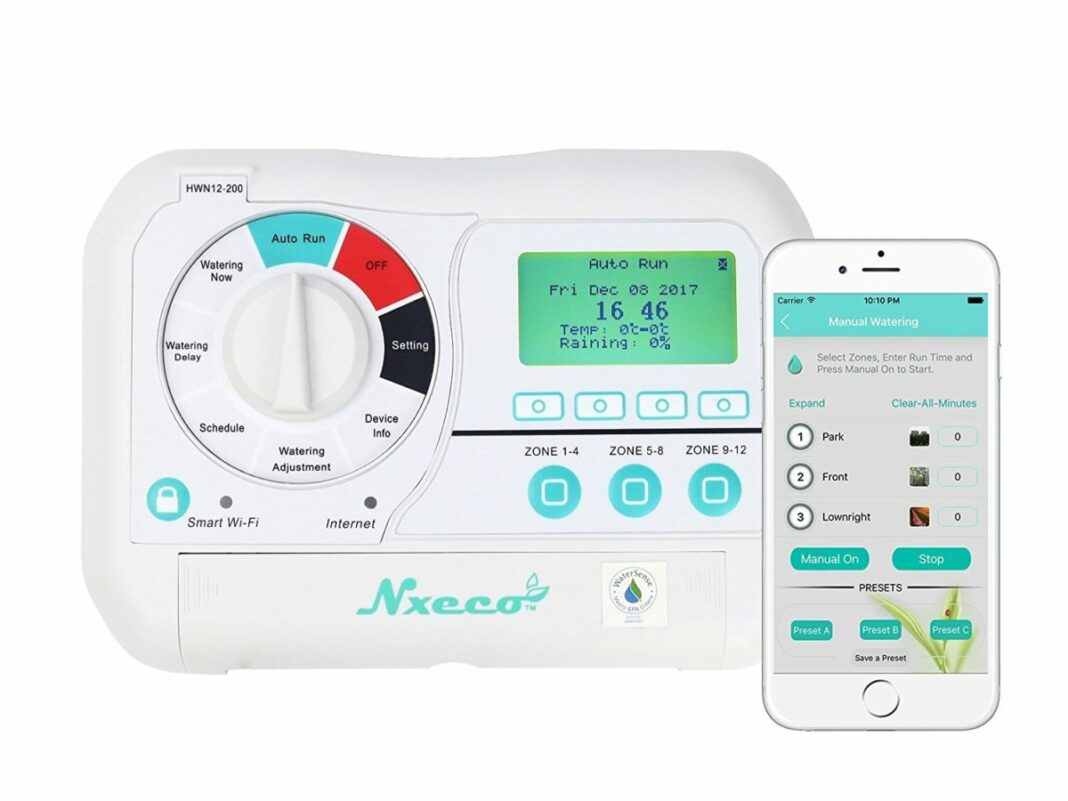
A sprinkler system can eat up a big portion of your water bill. Automatic sprinklers using traditional controls turn on regardless of the weather, making them extremely inefficient. Smart sprinkler controllers overcome this problem by using the local forecast, your budget, and your personal preferences as parameters in your watering schedule.
Smart sprinklers can save the average home nearly 7,600 gallons of water a year using an intelligently designed watering schedule. The best systems can also be preprogrammed with information about your landscaping for a custom watering regime guaranteed to help your property look its best. If your town or municipality has water restrictions, you can make the most of your water allotment using a smart sprinkler’s features.
5. Smart Window Air Conditioners
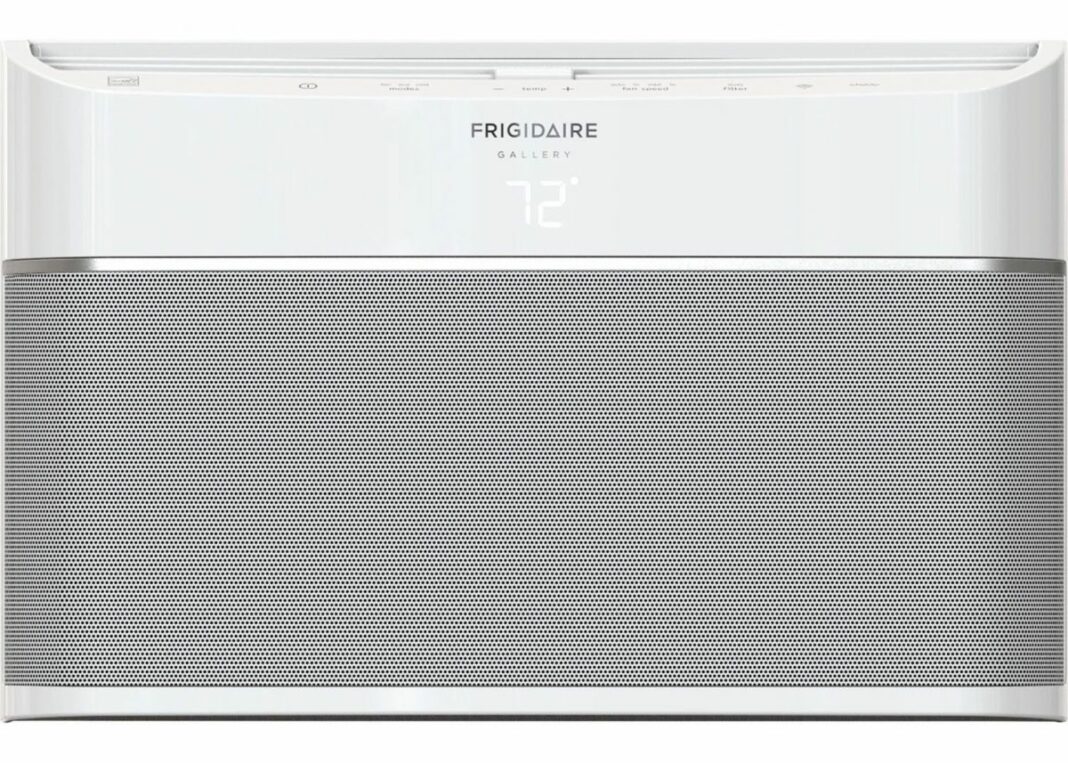
Many Americans live in hot climates and spend roughly $29 billion on air conditioning each year. A smart air conditioner can help defray this cost without breaking a sweat. The latest intelligent window units work to match your room temperature to your budget and your work schedule.
Smart air conditioners can make the most of every dollar you spend by keeping your room as comfortable as possible within the confines of your budget. These units turn on only when needed, according to your schedule. Of course, the most cutting-edge air conditioners are also the most energy efficient—the best units cost as little as $75 a year to run.
Cutting costs on your energy bill is a lot easier when your appliances and devices do the heavy lifting. Smart home automation keeps your home running at peak efficiency, especially when you’re not home. These upgrades will help you eliminate the wasted energy from your current bill.
Contenu associé


