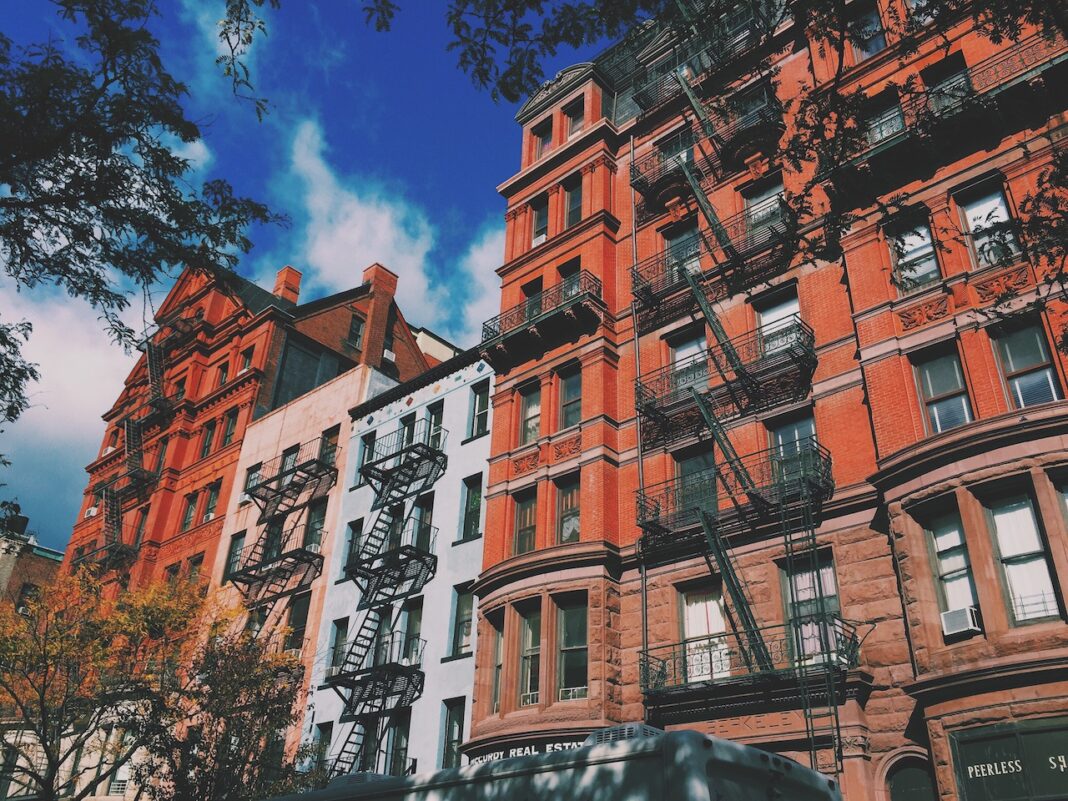
If you’re thinking of moving — whether it’s to the City by the Bay, the City that Never Sleeps, or somewhere in between — rent control is something you’ll want to know about. We’ll break down what it is, what it means for you, and how to navigate its intricacies.
Rent Control Basics
In the broadest terms, rent control laws limit the percentage at which your landlord or property manager can increase your rent every year. For example, some San Francisco apartments are rent-controlled which means that, for the 2019-2020 period, landlords of those apartments are only allowed to increase the monthly rent prices by 2.6%. This percentage changes annually, based on the Bay Area Consumer Price Index, and it is usually well below 5%. That rent increase can only happen once a year, usually when the tenant’s lease is faced with the option to renew their lease. Essentially, rent control protects tenants from high rent hikes multiple times a year.
While some version of rent protections exists in other cities across the U.S., there are some states that have actually banned rent control. Even though more than 180 cities have adopted rent control laws, those cities are confined to just 5 states, all of which are coastal. Rent control is a two-sided topic with both benefits and downsides that help explain its nuances.
Pros
- Rental prices in many U.S. cities are increasingly high and, in some cities, people with moderate-income jobs cannot afford to rent.
- Residents who have lived in an area for many years are protected from extreme rent hikes due to gentrification or market trends.
- Long-term residents create a sense of community within a neighborhood and contribute to the city’s stability.
Cons
- Landlords are extremely limited in how much more they can actually charge their tenants, and their cost of living isn’t taken into consideration.
- New rental building construction and investment may decrease since the return on investment is low.
- Building maintenance in a rent controlled apartment complex or home can be poor due to tighter landlord/property management budgets.
Of the 180+ cities with rent control laws, San Francisco and New York City are among the most well known. They are, after all, the two most expensive cities to rent in the country.
San Francisco Rent Control: What to Know

In the City by the Bay, an apartment’s build date is the one factor that indicates whether or not its landlord must abide by rent control laws. The rule of thumb here is that if an apartment was built before June 13, 1979, it is rent controlled. Anything built after June 13, 1979 is not covered by rent control. In addition, rentals including subsidized housing, long-stay hotels, religious housing, and a few other housing options usually do not have rent control.
As we previously mentioned, in San Francisco, landlords can only increase their unit’s rent by a certain percentage each year, and that percentage is directly tied to cost of living. The San Francisco Rent Board decides on this percentage which goes into effect every year on the last day in February. In addition landlords of rent controlled apartments are required to give tenants 30 days’ notice of a rent increase, and 60 days notice if the increase is 10% or higher.
New York Rent Control: What to Know
 In New York, “rent control” means something different than “rent stabilization,” but both fall under the umbrella of rent protection.
- Rent control refers to an old program that only applies to tenants whose units were built before 1947 and have remained in the unit since 1971 or earlier. This rent control law places severe limitations on rent prices, and some apartments still fall under those laws.
- Rent stabilization is the 1970s-era program that regulates prices in just under one million of the city’s rentals. It’s similar to San Francisco’s rent control in that rents can only be increased yearly, and the allowable percentage increases are capped by the Rent Guidelines Board. The Board recently voted to keep the program.
Under rent stabilization laws, renters are entitled to receive required services, renew their leases, and are protected from eviction except on grounds allowed by law. Leases may be renewed for a term of one or two years, at the tenant’s choice. These additional protections allow tenants to breathe a sigh of relief in what is already the second priciest city to rent in the country.
Rent Control in Other Cities
Laws to protect tenants exist in other cities across the U.S, however only cities in Maryland, California, New York, New Jersey, Oregon, and Washington, D.C. have actual rent control laws that put strict limitations on how much a landlord can increase your rent. These laws vary by state, county, and city, so be sure to check out your local tenants’ rights organizations or rent boards.
Although it can be a rare find, a rent controlled apartment is a great way to afford to live in some of the country’s most expensive cities. Check out apartments for rent on Zumper and you might just find one, too.
Contenu associé