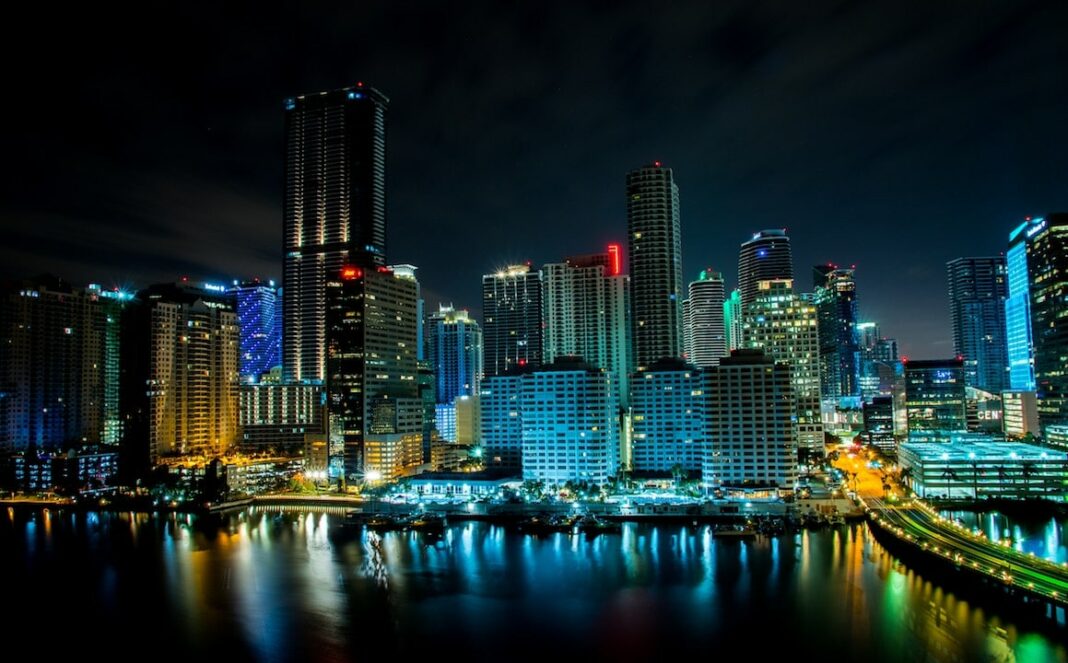
You’ve seen Miami depicted in movies and TV shows and surely heard stories from friends who’ve visited. And take it from us, this city is all it’s cracked up to be. With beautiful white sand beaches, high rise condos overlooking the water, and Cuban food to die for–Miami lives up to the hype. Before you jump on the next flight out, read our moving guide to Miami and get yourself ready for this beachside city full of culture, community, and an unparalleled energy.
Coût de la vie

Here are some facts and figures about the average cost of living to keep in mind before moving to Miami.
- Rent: the average cost to rent a 1-bedroom apartment is $1,800 and $2,470 for a 2-bedroom. With these rates, Miami rounds out the top 10 priciest cities in the country.
- Transportation: monthly transit passes will cost around $113 on average. We’ll go into more detail on transportation options later.
- Food costs: residents in Miami spend 12.3% of their household budget on food, similar to the national average. Of this food budget, 59.5% is spent on meals at home, and 40.5% is spent on dining out.
- Taxes: sales tax in Miami is 7%.
Utilities
- Utilities: the average cost of utilities for a 915-square-foot apartment is around $128.
- Florida City Gas: Gas
- Florida Power & Light: Electricity
- Miami-Dade County: Garbage, Water, and Sewage
- Internet: internet services range from $40-$85. Below are the largest providers in the Miami area.
Weather
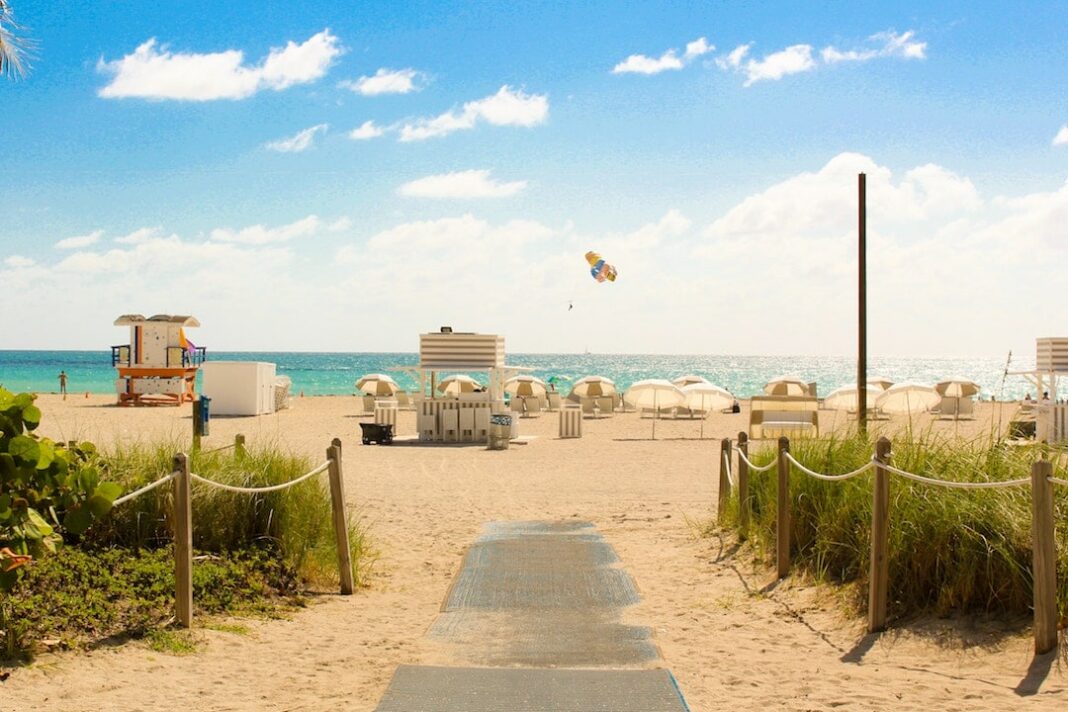
You won’t need that winter coat in Miami. With an average low of 69.9 degrees, this city knows how to keep you warm. Miami averages most rain in the summer, but every month of the year sees some rainfall due to its tropical monsoon climate. Hurricanes are common here, as more storms hit Florida than any other state. So, while you won’t need warm clothes, you might want to bring your raincoat and boots.
Miami Neighborhoods
Of course, living in certain neighborhoods can alter your cost of living, so here are a few popular areas that Miamians like to call home.
- Brickell: If you’re moving to Miami from NYC, you might notice some similarities in Brickell. This hood is located just south of downtown and features most of the city’s banks and financial companies, restaurants and nightclubs. It’s also conveniently located to plenty of public transportation options, so you won’t need a car here.
- Little Havana: Immerse yourself in Miami’s historically Cuban neighborhood, Little Havana. Stop and watch locals play dominoes, eat at decades-old authentic Cuban restaurants, and stroll by classic art deco-inspired architecture. This hood is the cultural epicenter of Miami.
- Downtown: A favorite neighborhood for those who work in Miami’s Central Business District, Downtown boast high-rise apartments and sweeping views of Biscayne Bay. Catch the city’s biggest concerts, festivals, and entertainment right in your own backyard.
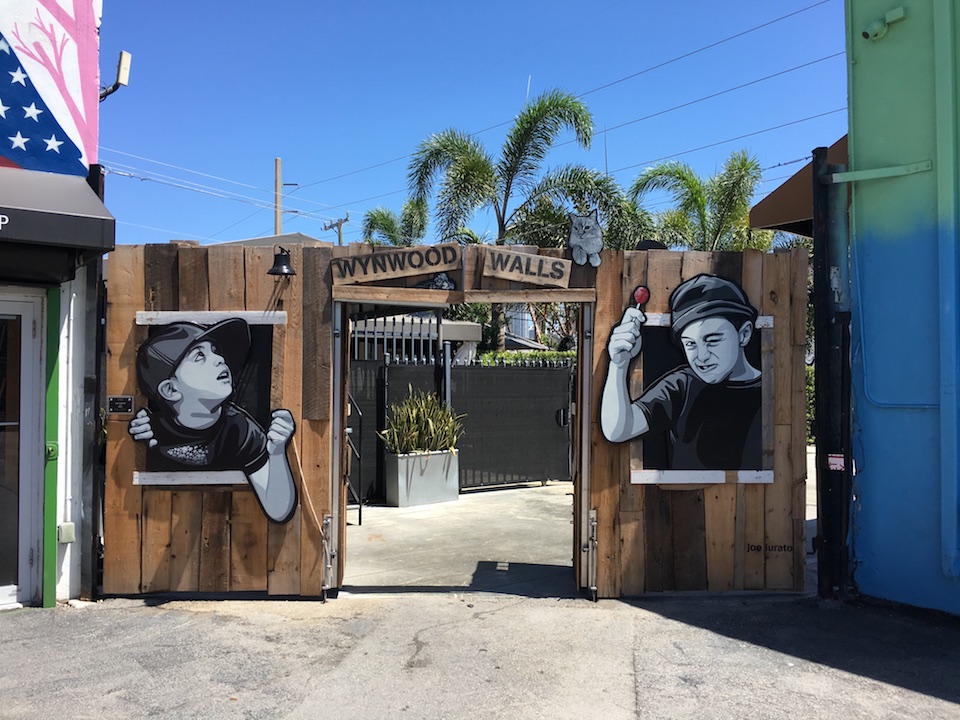
- Wynwood: Many local artists call Wynwood home, and they infuse their creative energy into this hood. Also called Little San Juan due to its large Puerto Rican community, Wynwood boasts a handful of breweries, many local bars and restaurants, and the Wynwood Walls art project.
Don’t Miss

One of the largest festivals in the world, Ultra Music Festival comes to Miami every March. It’s held at Bayfront Park, another spot you should check out whether you’re going to the festival or not, and brings the biggest names in electronic music to the city. South Beach is the most touristy of the Miami beaches, which also makes it one of the most entertaining; trust us, you’ll see it all here. North Beach is perhaps the exact opposite, with crystal-clear turquoise waters and stretches of sand you won’t have to share with anyone. Locals know that the spot for dining, shopping, and entertainment is, without a doubt, the Lincoln Road Mall. You’ll want to explore both the Vizcaya Museum and Gardens, a national historic landmark, and Wynwood Walls, neighborhood murals painted by local artists and Shepard Fairey, the artist behind Obama’s iconic “Hope” poster.
Transportation
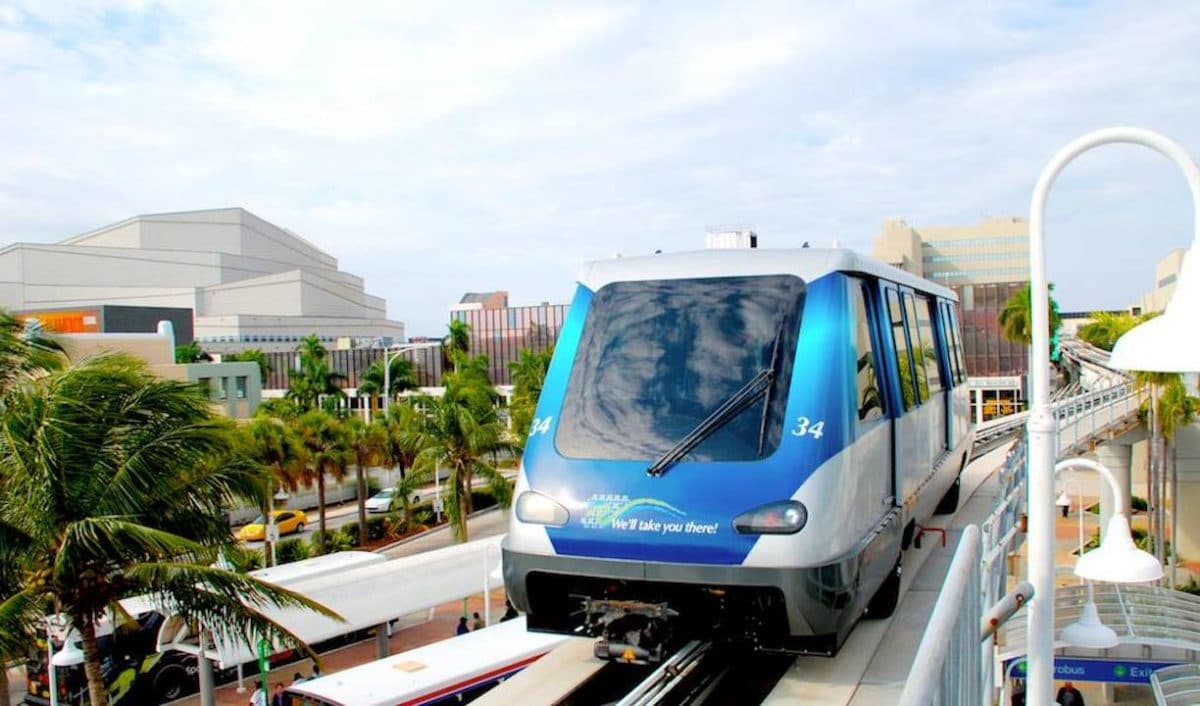
The Miami-Dade Transit is the public transportation option in this city. It features both buses and light rail trains, and goes throughout many of the city’s neighborhoods. The Metromover, a 4.4-mile electrically-powered light rail train, connects with the larger Metrorail. Best of all, everyone rides free. The rail and bus system in Miami is pretty comprehensive, so you can definitely get around without a car.
How to Get to Miami

From out of state, catch a flight into Miami International Airport. Forget taking a taxi, all of Miami’s public transportation options link to the airport. Hop on the Metrorail, Miami Beach Bus, Metromover, or the Tri-Rail (a commuter train) and reach your destination in no time.
Relocating to Miami from NYC
If you’re coming from NYC, a flight is your best bet, since you might not have a car. A flight out of either of NYC’s airports will get you to Miami in just under 3 hours. If you drive, it’ll be a solid 21-hour trip.
Relocating to Miami from Atlanta
From this southern city, hop on a flight and you’ll be in Miami in under 2 hours. If you’re moving with lots of belongings, consider driving your car (if you have one) or renting a moving truck and making the 10-hour drive yourself.
Relocating to Miami from Chicago
Catch a flight from either of Chicago’s airports into Miami-Dade and you’ll be in this beachside city in just 3 hours. Similar to Chicago, you can hop on the light rail from the airport and catch a ride to Miami’s city center.
Tips for Moving to Miami

- Do: check out Marlins Park, home to the MLB’s Miami Marlins. This place caters to the avid baseball fan, the Miami partygoer, and everyone in between.
- Don’t: spend more than 24 hours in this city without devouring a Cuban sandwich. Get one at Versailles ou La Carreta and you won’t be disappointed.
- Do: get out of the city and explore the Florida Everglades. Just a short drive outside of Miami, the Everglades are the largest subtropical wilderness in the U.S. and are definitely worth a visit.
- Don’t: forget that Miami Beach is its own city. Just a jump across the Biscayne Bay, Miami Beach has art deco architecture, party beaches, and chic restaurants to check out.
Your childhood dreams of living in a warm, sunny city with daily access to the beach can officially become a reality in Miami. This beachside town has so much to offer that you might wonder why you’re not living here already. Miami has plenty of diverse neighborhoods so be sure to choose the one you like for your next apartment. Is a condo with an ocean view what you’re looking for, or would you rather plant yourself in the middle of Little Havana? Miami has it all, so get started on your apartment search.
*Featured image courtesy of Flickr user Ricardo’s Photography.
Contenu associé