


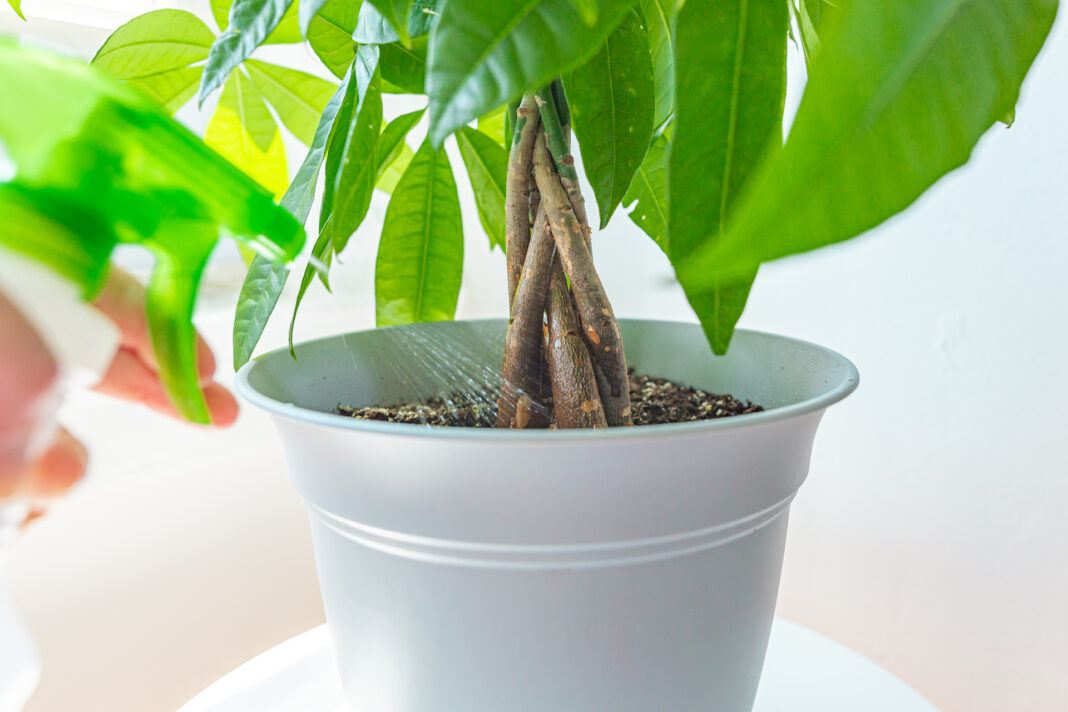
A money tree plant is ideal for almost any indoor environment, making it the perfect apartment plant. The unusual potted plant with the braided trunk brings a sense of beauty to any space, and many people and cultures believe that having a money tree plant will bring good luck and financial success. They’re the perfect plant for your first apartment, as they are fairly easy to care for, transport well if you move, and decorate your living space nicely.
Whether you have a money tree in a special spot in your house for good luck, to help improve your finances, or because they bring some greenery to your space, you want to make sure you know how to take care of the plant properly so it will last for years. Here’s how to care for a money tree.
The Money Tree Plant
The Pachira money tree plant, Pachira aquatia, originated from the wetlands and tropical rainforests of Central and South America. In the wild, the trees can grow up to 50 feet, while indoors they generally grow to a maximum of six feet. However, when the money tree plant undergoes bonsai training, they’re often seen as small as seven inches.
The name “money tree” comes from the legend of a farmer in Asia who prayed for prosperity. He discovered the plants, began braiding their trunks, and then sold them as houseplants. The farmer became wealthy from his sales, and the name money tree stuck as a plant of good luck and financial success. In actuality, the origin of braiding the trunks comes from Japanese bonsai masters who started braiding or knotting the trunk to add an extra element of beauty to the plant.
What kind of soil should I use?
As the money tree originates from forests with well-drained soil, it’s important to have the proper balance of potting soil for the plant to grow optimally. The ideal soil mixture is a combination of equal parts peat moss, river sand, small pebbles, and vermiculite. This mixture allows for proper drainage and won’t result in root rot for the plant. If the plant outgrows its pot, in a few years, simply re-pot into an appropriately sized container with a similar soil mixture.
How much sun does a money tree need?
The money tree likes a mix of direct and indirect sunlight. Direct sunlight will scorch the leaves and inhibit growth while getting not enough light can stunt the plant. It’s best to rotate the plant often to encourage the even development of growth. If possible, keep the plant away from drafty areas. Interestingly, the money tree does well under fluorescent lights so they make a nice gift for someone who works in an office setting.
Money Tree Care: Watering
The money plant needs deep watering once every week or so, depending on the temperature and weather. Water when the top two to four inches of the soil become dry, and water until the moisture runs out of the drain holes. Be sure to empty the drain pan so the plant’s roots aren’t sitting in water to prevent root rot. If you notice the leaves beginning to droop, check the soil and if it feels too dry, give the plant some water. A good reminder of when to rotate the plant is to do it when you water.
Money Tree Care: Fertilizer
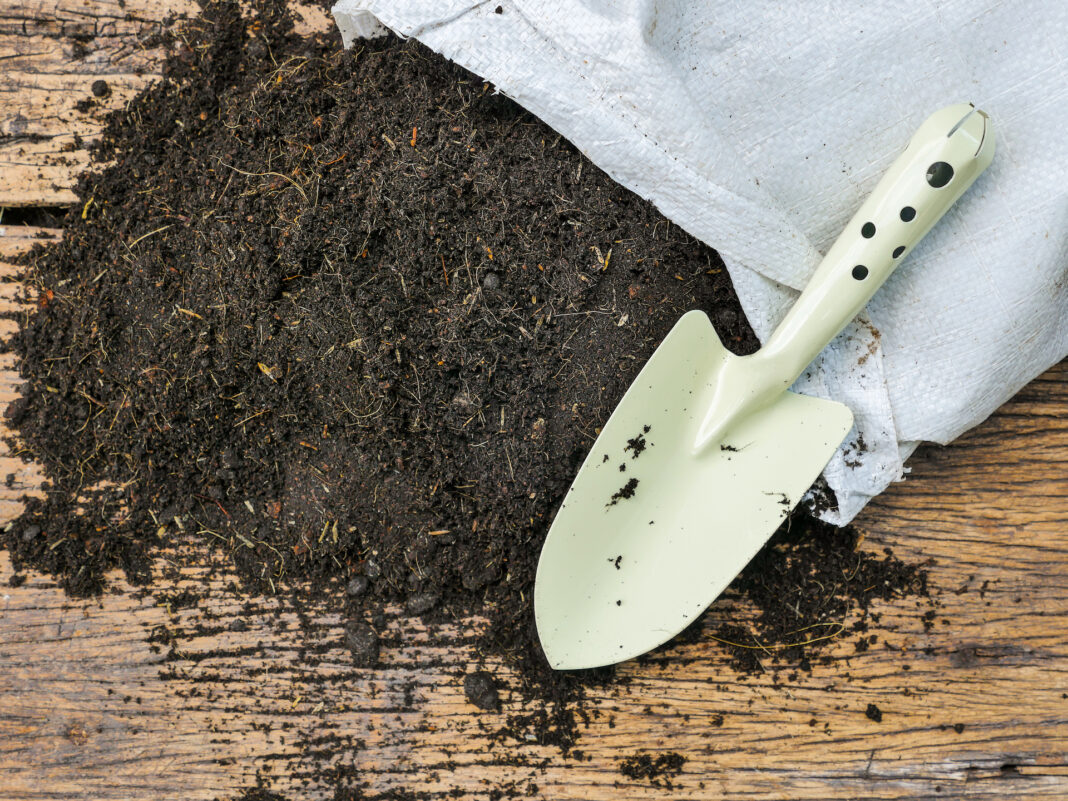
The money tree produces the most growth in the spring and summer and therefore the best time to feed the plant is once a month during the growing season. In the winter, their natural growth cycle subsides, so feed the plant less often. Use a balanced houseplant fertilizer with half the recommended strength.
Money Tree Care: Temperature and Humidity
Money tree plants enjoy a warm, moist environment, so it’s best to keep the temperature between 65 and 75 degrees Fahrenheit to keep them happy. They can handle about a 10-degree variance either way but try and maintain an even temperature for the plant. Mist the plant regularly to keep the leaves moist, and in the winter, place a pebble tray under the plant to help increase the humidity.
Money Tree Care: Braiding the Trunk
Generally, the trunk of the money tree plant comes braided when purchased. Several trunks of individual plants get woven together to create a braided look. If you want to try braiding yourself, buy several plants, put them in one pot, and gently weave the trunks together, starting at the base of the plant and working upward. Keep enough space between the branches to keep them from snapping. Tie a string around the top and as the plant grows, continue the process.
What are some common issues with a money tree?
While the money tree is pretty hardy, they occasionally have issues. If the leaves start to turn yellow or droop, it’s possible it’s getting over-watered. Yellow leaves are often the first sign of root rot, so adjust the watering schedule. On the other hand, if the humidity is too low and the soil is too dry, the leaves can also turn yellow. If the plant isn’t receiving the proper amount of light, the leaves often lose their dark-green color, so be sure the plant is getting the right amount of direct and indirect sunlight.
Pests are another common issue with most houseplants, including the money tree. Generally, a healthy plant can resist pest infestations, so proper watering, fertilizing, and sunlight are vital for the health of the plant. If you see the leaves looking sickly, search for spider mites, aphids, scale, or mealybugs. These bugs like to burrow in the nooks and crannies of the plant and suck the moisture from the leaves and branches.
It’s important to address a pest infestation quickly or the plant won’t have the energy to flourish and thrive. Some gardeners suggest putting a bit of neem oil on the soil or spraying it on the leaves to help repeal the bugs. Otherwise, spray the leaves using the proper strength of a natural houseplant insecticide to eliminate the pests.
Money tree plants bring elegant beauty to your home, are easy to care for, safe for pets, and with proper care, will grow and thrive for years.
Ready to get your own money tree plant? Search apartments for rent on Zumper and find the perfect money tree plant to decorate it.
Contenu associé


