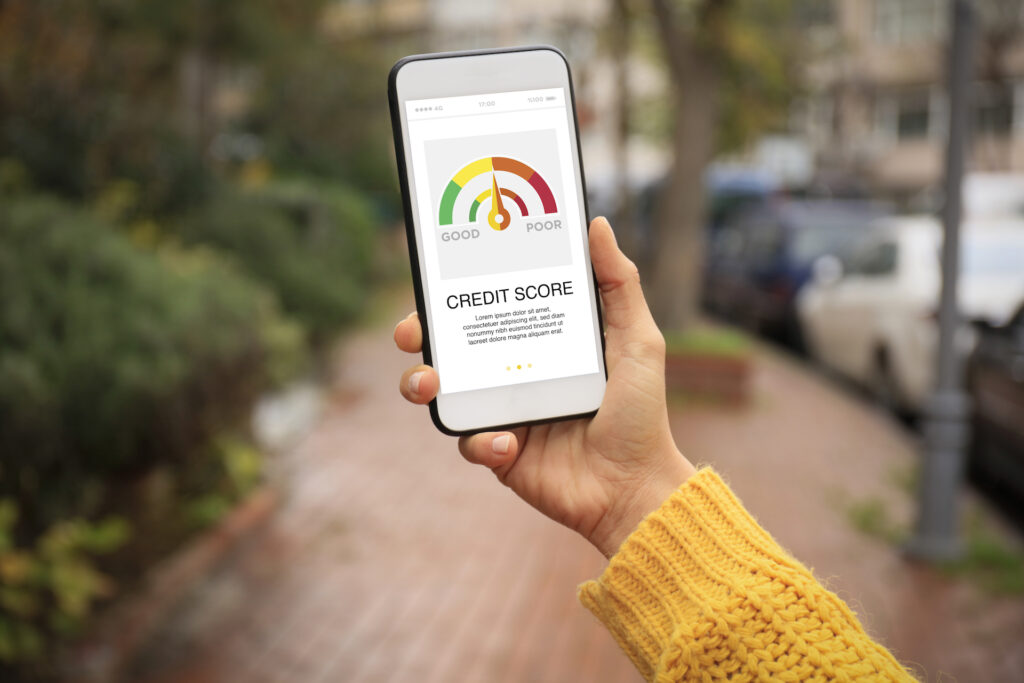
In the world of business and finance, three little numbers reign supreme. They play a role in whether your application for a rental apartment will be approved or denied. These numbers are your credit score. Three little numbers calculated by three main credit bureaus – Equifax, Experian, and Transunion – essentially dictate whether you’ll sink or swim.
Unfortunately, many of us don’t give much thought to our credit scores until we find ourselves in a situation that requires a decent one. However, even if you’ve been irresponsible with your credit score, not all hope is lost. There are several ways you can fix your score, but before we jump into that, let’s lay out the basics of a “good” and a “bad” credit score.
The Good vs. The Bad
Your credit score is the result of an algorithm used to evaluate your credit history, and it’s typically based on five factors: payment history, credit usage, the age of your accounts, types of credit, and credit inquiries.
There are several different credit scoring models, but the two most popular ones are FICO and VantageScore. These two scoring methods use a sliding scale that ranges from 300 to 850. While different creditors have their own opinion on what constitutes a high versus a low credit score, the table below provides the general numerical ranges.

How to Improve Your Credit Score
1) Pay on time
The quickest and simplest way to improve your credit score is by paying your credit card bill on time. Your payment history constitutes 35% of your credit score, and when you’re consistently late on your payments, it hurts your score.
In addition to paying your credit card bills on time, it’s important to pay other bills in a timely fashion, as well. If you’re unable to pay rent and your landlord sends your debts to collections, your credit score will be affected.
On the other hand, paying your rent and utilities on time can help improve your credit score. Check with your landlord or property manager to see if they report your rental payment history. If they don’t, enroll in a rent payment service that works with a major credit reporting company.
2) Keep a low credit card balance
Credit utilization is your ratio of credit card balances compared to credit limits. In other words, it measures how much of your credit limit you are using. For example, if one of your cards has a limit of $1,000 and your balance is $500, then your credit utilization for that card is 50%. As a general rule of thumb, most financial experts say that you should aim for a credit utilization ratio of 30% or below.
3) Become an authorized user for someone with established credit
As an authorized user, you will receive a credit card in your name and can make purchases as if the account were your own, but you’re not the primary account holder. You are not legally responsible for making payments – that is the responsibility of the primary account holder. Becoming an authorized user could help you boost your score if the primary account holder has a strong history of making timely payments and maintaining a low card balance. Accounts for which you’re an authorized user will likely appear on your credit report but double-check with the specific credit card company to ensure that they report authorized user accounts.
4) Stop applying for credit cards you don’t need
Although it might seem worth it for the 15% or 20% off your first purchase, opening a credit card at stores can actually damage your credit score. If you miss a payment or don’t use the card enough, your score could be negatively impacted if. Plus each time you apply for a credit card, loan, or try to borrow money from a creditor in any capacity, they have to do a credit inquiry. There are two types of inquiries: soft and hard. Soft inquiries do not affect your credit score, while hard inquiries drop your score by a few points. Usually, when you apply for a credit card, they run a hard inquiry, dropping your score. Do yourself a favor and limit your store credit cards, even if that initial discount seems worth it.
5) Pay off your entire balance
Don’t be fooled: paying off only some of your credit balance at the end of the month will actually hurt your credit score. Keep your credit utilization ratio down by paying off your balance in full at the end of every month, if possible.
6) Consider transferring balances from one credit card to another
Transferring a balance from one credit card to another is enticing to a lot of people. One of the main reasons is that your credit card company is offering a particularly low interest rate. For example, let’s say that you have two credit cards:
- Card A: $3,000 balance with a $6,000 limit
- Card B: $1,000 with a $3,000 limit
On Card A, this consumer has a 50% credit utilization ratio and a 33% utilization ratio on card B. Overall, this consumer has a utilization ratio of 44%. Opening up a third credit card with a $5,000 limit, for example, and transferring a portion of the balance from Card A would increase this consumer’s credit score by dropping their overall credit utilization ratio.
Finding and Understanding Your Credit Score
You can obviously start taking proactive measures to improve your credit score at any time, but it’s better to know what you’re working with from the beginning. Websites like Credit Karma and Free Credit Score can provide you with a free credit score without lowering your score.
To get a more in-depth understanding of your credit history (the factors that influence your credit score), you can visit Annual Credit Report. This website allows you to pull your annual credit report from each credit bureau for free. Your credit report shows things such as items that have been sent to collections, open lines of credits, lines of credit that you’ve applied for, and more. Your credit score is important, and even if you messed up your credit score in the past, hope is not lost. There are many practical steps you can take toward improving your score, so buckle up, and get to it.
Contenu associé