


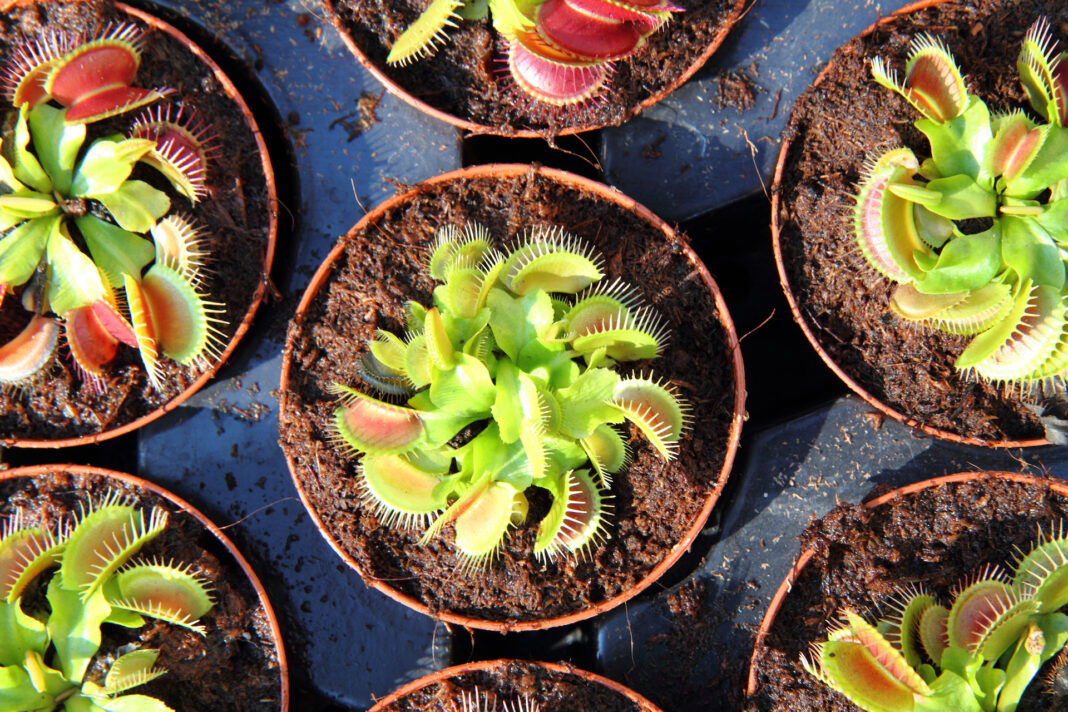
Got bugs? Whether you’re looking to get rid of some insect pests in or around your apartment or you want to add a unique plant to a room or outdoor space, carnivorous plants can help you accomplish both tasks. Here’s everything you need to know about bug-catching plants that can transform your home.
What are carnivorous plants?
Carnivorous plants are plants that trap and eat insects like gnats, flies, arachnids, ants, and other arthropods. While they do get some or most of their nutrients from consuming these little pests, depending on the type and size of plant, they still require sunlight, water, and nutrient-rich potting mix to complete photosynthesis for energy like other plants.
Having carnivorous plants inside or around the exterior of your rental property can be a great way to reduce or eliminate insect problems. And, like other plants, they also add to a home’s lively feel.
How to care for carnivorous plants
Here are some general tips on caring for carnivorous plants to prepare you for plant parenthood:
- Water your carnivorous plants with distilled water. Other types of water have high mineral content that could damage the root systems of your bug-eating plants. You can buy distilled water at the grocery store, home improvement store, or even a plant store.
- Make sure the plant gets a lot of light. You should place these plants in a well-lit area, but not in direct sunlight.
- Get the right kind of potting medium. Most carnivorous plants don’t use dirt-based soil that a lot of other plants use. Instead, use sphagnum moss, peat moss, or a mixture of sphagnum moss, peat moss, sand, and perlite to pot your carnivorous plants. And stay away from pre-fertilized moss mixes as the nutrient content could burn the roots.
- Keep the potting mixture moist. Don’t forget to water your carnivorous plants as they can dry out quickly.
- Provide adequate drainage. Some plants, like pitcher plants, don’t like to sit in water, but others, like sundews, don’t mind. Do your research on whether your plant likes boggy conditions or not.
- Consider placing these potted plants in a tray of distilled water. This helps you keep plants watered for longer periods of time, and if you have a few smaller plants, you can keep them in the same tray of water and have many plants watered at once.
- Don’t plant them in the ground. If you want your carnivorous plants to live outside, be sure to put them in pots of sphagnum moss or moss-blend potting mixtures. It’s also helpful to keep outdoor carnivorous plants in a tray full of water. That’s because evaporation occurs at a faster rate outdoors, and this solution can safeguard the plants from hydration.
Types of carnivorous plants
Tropical Pitcher Plant
Also called a nepenthes or a monkey cup plant, a pitcher plant has long leaves that curve into a cup, like a long pitcher. This unique shape is what traps unsuspecting bugs, and the pitcher plant then slowly digests the insects over a few weeks or months.
Tropical pitcher plants typically grow in hotter temperatures, but certain species can grow in different climates. If you want to grow your pitcher plant indoors, you may need to get a species like ventrata that is more forgiving in indoor environments. However, low-land species are better adjusted for warm, tropical temperatures, and you should plant these ones outside, given you live in a region with stable seasonal weather.
Venus Flytrap
A Venus flytrap is a carnivorous plant with clam-shaped leaves that have lash-like bristles (called cilia) that catch flies. When an insect lands on the top of the leaves, the clam shuts and the cilia prevent the insect from escaping. Over 3 to 5 days, the plant digests its food.
Venus flytraps even have a reputation for being one of the best carnivorous plants for flies because they can thrive indoors in small pots, making them great house plants that eat bugs. What’s more is that they don’t just eat flies — they eat all types of insects and arachnids, including spiders, ants, and beetles.
Butterwort
Butterworts, also called flypaper traps, have greasy (or buttery) leaves with gluey hairs that trap insects, like gnats. Some can even curl their leaves into cups upon capturing their insect prey. They also have simple yet beautiful flowers that bloom easily and in bright colors, which can add a vibrant look to your space. These orchid-like flowers come in yellow, pink, purple, or white. These houseplants are one of the easiest to care for since they can grow indoors.
Sundews
This type of sundew has long, narrow leaves covered in red, bubble-tailed bristles that make the plant look like it’s covered in fresh drops of dew. However, these leaves are actually covered in a sticky, glue-like substance that traps unlucky insects that land on these intriguing plants. Plus, different species of sundews grow different types of flowers, often orchid-like blooms in colors like pink or white.
There are two major types of sundews you might consider growing. A cape sundew uses its tentacle-like bristles to enclose its prey and digest it through sticky enzymes. Spoon-leaf sundews, however, trap insects with their tentacles and actually curl their leaves inward. This completely surrounds the insect in a tight roll in which the plant digests the insect.
Typically, sundews need to be in warmer temperatures like their other carnivorous counterparts. These plants can actually do quite well on a sunny windowsill. They can also grow outdoors in regions with stable seasonal weather when properly planted in a pot. But it’s super important that you always keep a sundew well watered because they can’t often bounce back after bouts without water.
Now that you know which bug-eating plants you want to grow, use Zumper to find your next rental. Whether you’re looking for a house, apartment, or anything in between, you can search hundreds and thousands of listings in your area.
Contenu associé


