


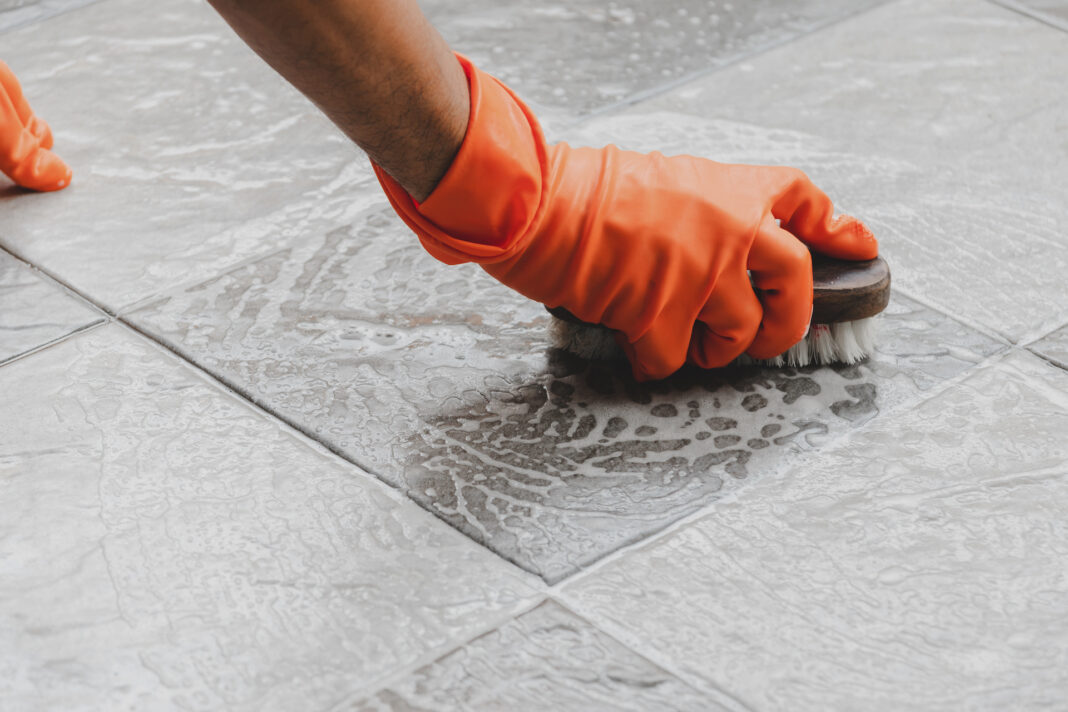
If you have tiles in your unit, you know it’s not only durable and beautiful, but it’s also fairly easy to keep clean. Grout, unfortunately, is another story. Here’s what you need to know to keep the grout in your unit in good shape.
How to clean tiles and grout
Grout is that material that fills spaces between tiles in your kitchen or bathroom. Grout has a functional use of keeping tiles in place, but it also adds to the beauty of the tiles by framing them.
However, grout forms a slight depression around tiles. That makes it easy for dirt, mildew, and mold to collect. Grout is also porous, and it’s usually light in color, so it easily becomes stained. Tile in your kitchen can mean grout stains from spills, while bathroom grout can mean mildew and mold.
So, you’ll have to put grout and tile cleaning into your ongoing chore chart. You’ll want to start with the mildest cleaning solution to clean grout in your unit and then take things from there if you run into peskier stains. If you’re not sure if a grout cleaner for tile will work for you, first test it in a hidden place, for example behind the toilet if you’re cleaning grout in the bathroom or under a kitchen appliance if you’re cleaning grout in the floor tiles there.
You’ll have an added challenge when you’re cleaning in an enclosed environment like the bathroom. The tight space translates to compromised ventilation and air circulation, so you’ll need to exercise caution with harsh chemicals.
Some do’s and don’ts for regular grout cleaning include:
- Always wear gloves when cleaning grout and tile so you can protect your hands
- Don’t use acidic cleaners. These products can dissolve or pit your grout
- Don’t use waxy or oil-based cleaners. These products can leave behind a film. The film can attract dirt, which will make your future cleaning rounds harder
If you’re looking for a solution for cleaning grout, you can try:
- Commercial grout and tile cleaners: You’ll find commercial products designed to clean grout. Follow the manufacturer’s instructions to apply these cleaners to dirty grout.
- DIY mixtures: You can also make your own mixture to clean your grout. A combination of 1 tablespoon of mild dish soap, 3/4 cup of baking soda, and 1/4 cup of hydrogen peroxide can go a long way. After creating your mixture, apply the paste to your grout using a grout brush, then scrub. Special grout brushes include dense, firm bristles and compact heads to make it easier to loosen up grime that builds up in grooves.
- Bleach: If you have white grout, chlorine bleach offers another option. However, you should not use chlorine bleach on tinted grout, as it will leach out the color. Oxygen bleach works better if you need to preserve colored grout.
You’ll have to scrub and rinse your grout to get it clean. Once you clean grout, use cleaning rags, microfiber cloths, or a sponge to rinse and wipe each area. Make sure you don’t leave any residue from a grout cleaning behind. Wondering how to clean grout on floor tiles? Just mop the whole floor when you’re finished cleaning the tiles and grout on a floor.
How to clean grout with old or stubborn stains
You don’t always need to jump to harsh cleaners or chlorine bleach products if you need a powerful cleaning solution. Oxygen-based bleach and washing soda offer safer alternatives for cleaning indoors. These products are more eco-friendly, and they’re still effective at treating and preventing mold growth. Oxygen-based bleach products include:
- Hydrogen peroxide
- Sodium percarbonate
- Sodium perborate
Need to give some extra attention to old or stubborn stains that regular cleaning won’t remove? Here’s what to do:
- Mix 2 tablespoons of oxygenated bleach into 2 cups of warm water
- Do a quick test of your solution on a hidden area of grout to ensure it won’t discolor the grout
- Working in small sections and making more solution as you need it, pour your solution over stained grout lines
- Let the cleaner sit for up to 15 minutes. This gives the ingredients time to do their job
- Scrub and rinse, applying firm pressure, until you remove all the cleaner. You will likely need to make a few passes over each grout line
- If you’re using a steam cleaner, follow the manufacturer’s instructions to assemble and load. Use only water and never add chemicals or cleaning solutions to the water tank. Turn on the steam function once the machine heats up, then apply the cleaning brush to your grout’s dirty areas
- After steam cleaning, use a mop or rag to dry residual water thoroughly
- Keep in mind that steam cleaning may remove grout sealant as it removes mildew and dirt. Once your tile dries completely, put on a grout sealer to protect the grout and prevent stains in the future
When should you clean grout?
At the very least, you should add cleaning grout to your move-in and move-out checklists. You’ll want to clean grout when you move in to stop any mildew or mold issues already lurking in your unit before they turn into big problems and ensure you’re starting life in your dream place with the cleanest possible surroundings. As for moving out, leaving your unit in the best possible shape will up the chances that you’ll get your security deposit refunded.
That said, some regular cleaning attention will save you a lot of time and effort down the road. Wipe down dirty tiles and grout each week to prevent dirt, mildew, and mold from building up. Regular attention is key in the bathroom, where the constantly humid, wet environment creates a breeding ground for mold and mildew.
If you have light grout in your shower, you’ll first start seeing spots, and then those spots will encompass bigger areas. That usually gives you a chance to clean before the mold or mildew problem gets out of control. However, darker grout can easily disguise mold or mildew buildup until it becomes a bigger health concern.
All in all, including grout cleaning in your regular cleaning routine will help mold and mildew from building up before it turns into a huge chore. Using the right products will get rid of tough stains while keeping your grout in the best possible shape.
Contenu associé


