If you’re facing eviction or have been evicted in the past, you may be worried about how eviction affects your credit and whether you’ll be able to find a place to rent in the future.
While evictions can have an impact on your credit and make renting a bit more difficult, all is not lost. Many individuals and families go on to improve their credit scores after an eviction.
Here’s what you need to know about eviction and credit.
What is an eviction?
An eviction is a legal process that landlords may use to remove a renter from the property. Evictions typically occur when a renter fails to pay some of their rent, but a landlord can’t just evict a renter for no reason. Instead, your lease or rental contract will outline the specific reasons that a landlord may evict a renter. These include things like:
- Failure to pay rent or repeated late payments
- Using a property for illegal activities
- Subleasing a unit without permission from the landlord
- Behavior that severely disrupts other tenants or neighbors
While rules vary by state, a landlord needs to provide written notice of eviction before they can legally evict a renter. If you receive a notice of eviction, you have a few choices about what to do next. You may:
- Move out as instructed
- Negotiate with your landlord and agree to fix the problem to their satisfaction (e.g., you might pay back rent owed in installments)
- Contest the eviction in court
Your chances of winning in court depend in part on the reason you were evicted and your state or local laws. Some cities or municipalities are friendlier to renters in these cases than others.
What is your credit score, and why does it matter?
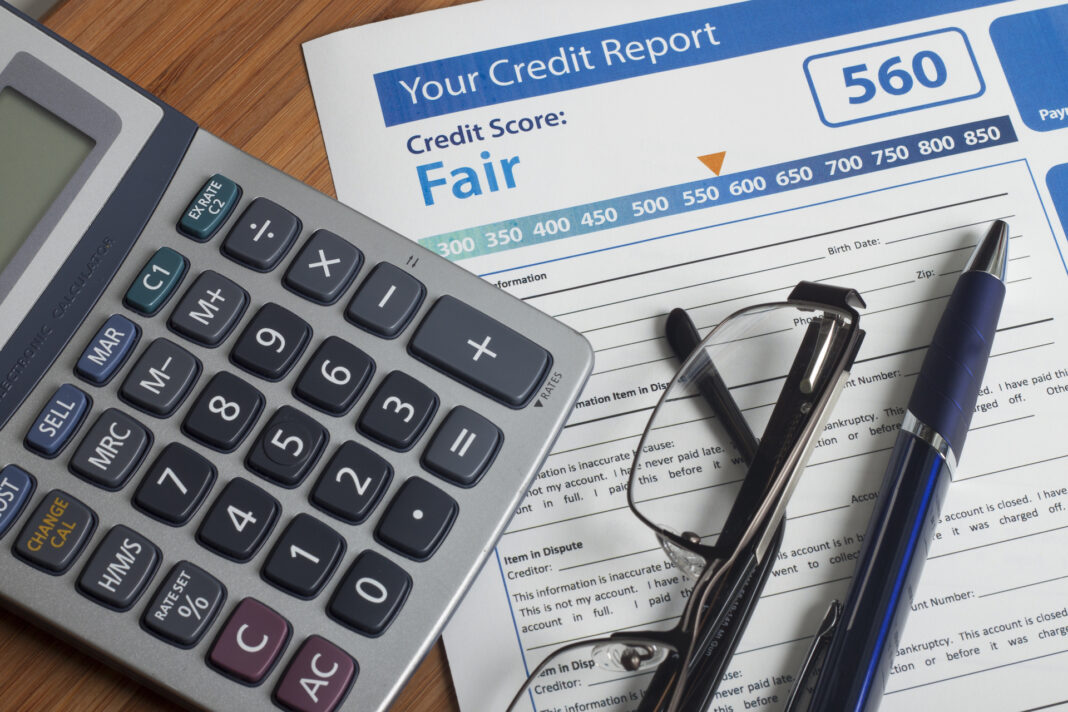
It’s important to understand what your credit score is in order to understand the impact of an eviction on it. Your credit score, a number ranging between 300 and 850, summarizes your creditworthiness, and the higher it is, the better.
It is calculated based on your credit history and takes into account things like your overall level of debt, your history of repayment, how many accounts you currently have open, and other factors.
Your credit score matters because many landlords or property management companies will run a credit and background check on prospective renters before agreeing to sign a lease. If your credit score is too low, a potential landlord may worry that you won’t be able to pay your rent in a timely manner.
What happens to your credit if you get evicted?
Evictions don’t directly show up on your credit score, however, they may have an indirect impact on your credit.
If a landlord or bill collector has pursued you for unpaid bills, this will appear on your credit report, and prospective landlords and property managers will be able to see this when they run the report for your rental application.
While there’s no hard-and-fast rule, a general rule of thumb is that landlords like to see a credit score of 620 or higher for a prospective renter. You can check your own credit score quickly and easily for free on many online banking systems. Mint is also a great resource and can check your credit score for free, too.
Will an eviction affect your ability to rent in the future?
Although it can be a bit more challenging, renting a place to live with an eviction on your account certainly isn’t impossible. Here are some tips to keep in mind:
Try to remove the eviction from your rental history
You may be able to work with your former landlord or property management company to negotiate a way to take an eviction off of your rental history.
For example, if you were evicted due to owned rent, you might agree to pay the amount that you owe back in installments in exchange for removing the eviction from your history. If you believe you were evicted by your landlord without cause, you may also pursue legal remedies to get the eviction taken off your record.
Tell the truth
If you do still have an eviction on your record, the best way to deal with a new landlord is to be upfront. Be prepared to explain that you were evicted, what happened, and why it is unlikely to happen again. For example, if you were laid off from your job during a recession and unable to find work right away, the landlord may be more sympathetic. Either way, a landlord will appreciate finding out the truth from you, instead of through a credit report or reference check.
You may also need to work a bit harder to convince the landlord that it’s worth taking you on as a renter by paying a larger security deposit, paying a slightly higher rent, or getting several good references from previous landlords.
Improve your credit
In the meantime, you can also work on improving your credit so that future rentals yield less of a hassle. As we’ve already noted, an eviction will not show up directly on your credit score but could affect your credit score in indirect ways. You can improve your credit score in several different ways, such as paying off your loans and paying your bills on time.
If you think you might be evicted or have been evicted in the past, take some time to learn about the effect an eviction can have on your credit score and your ability to rent. This will ensure that you’re well prepared to work on improving your credit score or to have a frank conversation with your next landlord.
Contenu associé