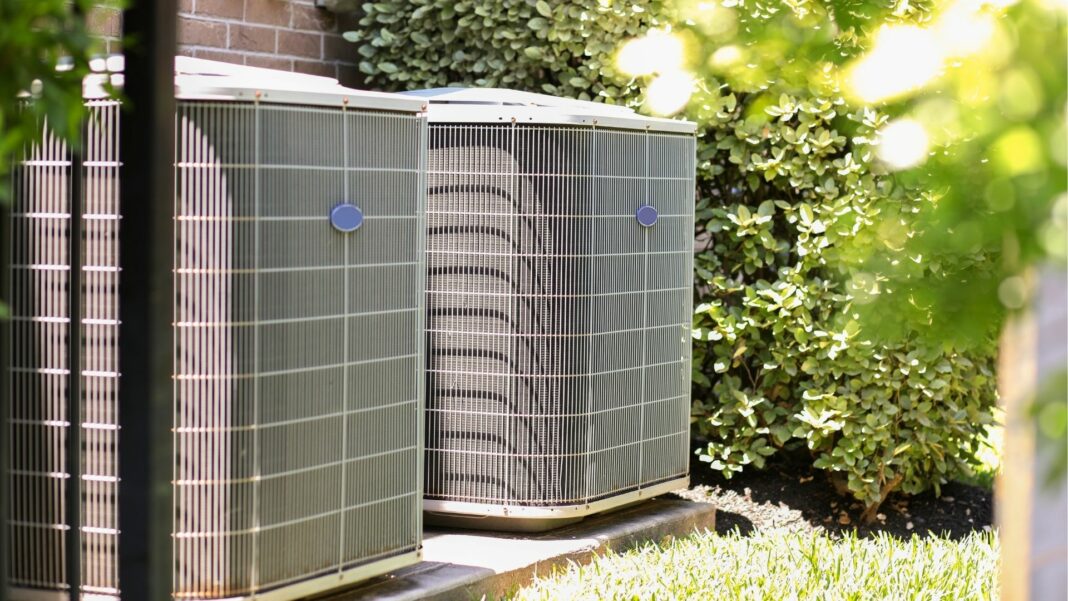
When you live in a southern state, like Florida or Texas, or in an area that’s got warm weather year-round, like Southern California and Arizona, having air conditioning can be the difference between a comfortable rental and a hot one.
But not every state requires landlords to provide air conditioning in rentals, and those that do may have requirements that don’t match your cooling standards. That’s why it’s important to review your state and city standards for providing A/C in rentals and get the answer to your burning question, “is it illegal for a landlord to not provide A/C?”
Does my landlord have to provide A/C?
Most states do not require landlords to provide air conditioning in their rental units. That’s because most places still consider A/C to be an amenity rather than a requirement for “safe and habitable” conditions, also referred to as “implied warranty of habitability.” This warranty can vary from state to state, but a landlord must abide by their property’s state warranty of habitability.
However, if a renter has a disability or medical condition that requires air conditioning, a landlord may need to provide reasonable accommodations, such as a window A/C unit. In addition, some states require landlords to repair or remedy any condition that makes a unit uninhabitable or impacts the health and wellbeing of a renter, such as a heat wave that could cause heatstroke.
If you’re in a unit that has the capability for A/C but has a broken A/C unit, you may be entitled to air conditioning. Some states require landlords to consistently provide A/C to renters of a specific unit in which they have provided A/C in the past. For example, a previous renter had A/C and it broke before you moved in. The state may require your landlord to repair and restore A/C in this unit. But if a landlord has never provided A/C in that unit before and you request it, the state may not require the landlord to provide it.
Lastly, certain states see hot temperatures soar into the three digits frequently and for long periods of time. These states may see A/C as a need that’s essential to the health and safety of renters and may have a maximum high temperature for a unit to reach before A/C is required. For example, Phoenix regulations state that a unit cannot exceed 82 degrees Fahrenheit with an air conditioner and 86 degrees with an evaporative cooler. In Texas, landlords must provide “refrigerated air,” which is air that’s at least 20 degrees cooler than the outdoor temperature.
What can I do if my landlord refuses to fix the A/C?
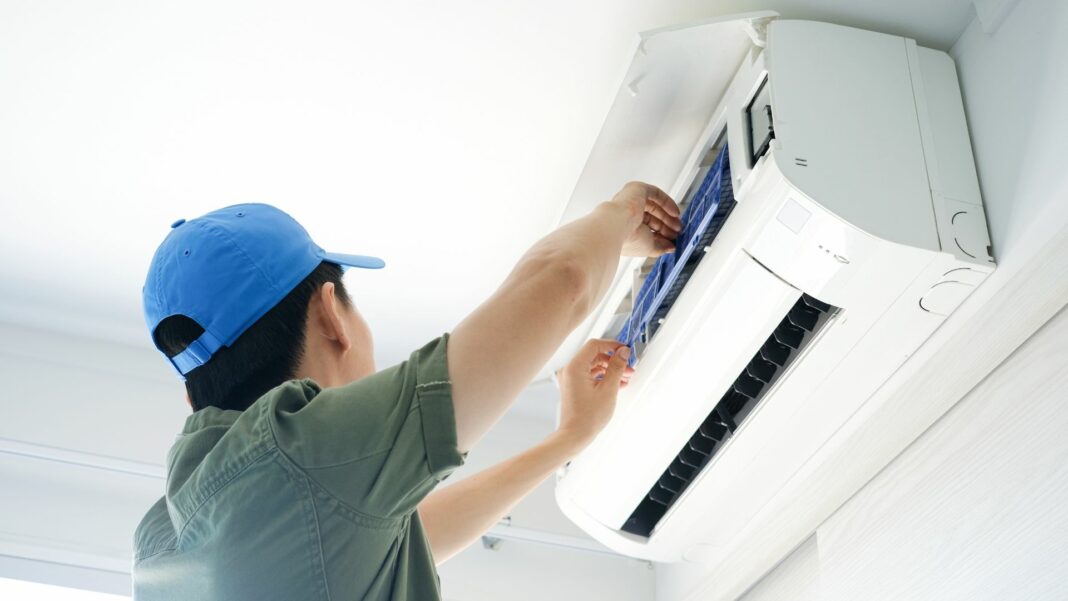
If you live in a rental unit that has air conditioning, whether or not you live in an area that requires it, your landlord is likely required to fix or remedy the situation.
- Fixing: This involves inspecting and repairing it themselves or hiring a third-party professional to inspect and fix it.
- Remedying: This involves providing fans, a window unit, or another type of air cooling system to make the area more comfortable until the original A/C unit can be fixed or as a final solution.
In the case that your rental has A/C that breaks, you should immediately inform your landlord of the issue. While you may speak to them about the issue, it’s best to always give them a written maintenance request and keep a copy for yourself, that way you have proper documentation. Then, you may have to wait a few days or weeks for the landlord to have the A/C repaired. This required repair timeline varies from state to state.
While none of the following steps are approved legal advice, here are some steps you can take to ensure your landlord fixes the A/C in a rental in which they’re required to fix or remedy broken A/C:
- Document all maintenance requests about the A/C: Maybe you have to write to your landlord multiple times, either due to back-and-forth communication or their refusal to fix the A/C. Always keep copies for legal matters.
- Review your state’s timeline requirements: Check how long your landlord has to complete necessary repairs, like a few weeks to a few months. This information can help you determine when to remind your landlord about the needed repairs or take action should the situation not get resolved in time.
- Repair and deduct the amount from your rent: If it’s been longer than the state-provided deadline, you may choose to hire a licensed professional to fix the issue and pay out of pocket. Make sure to choose a professional whose services won’t cost more than what your state allows a renter to pay out of pocket for landlord responsibilities. And provide your receipts to your landlord when you pay rent.
- Consult a legal professional: Talk to a renting or real estate lawyer to see what your options are regarding withholding your rent until the issues are fixed, breaking your lease due to breached terms, or taking the landlord to court for damages and breaching the terms of your lease.
Can I provide my own A/C?
You may also consider bringing your own A/C unit, such as portable units or window units. Your landlord would not be responsible for repairing those units or paying for the electricity that powers them. However, it’s best to communicate this need to your landlord before signing a lease and moving in. They may be able to work with you in providing you the A/C you want, or they may not approve you having your own A/C, perhaps due to high electrical system requirements.
Finally, it’s not likely that landlords would approve of you paying to install a permanent A/C system as that could negatively impact the landlord’s taxes and potential rental income. You could discuss with your landlord the possibility of them upgrading the rental with A/C, but there’s no guarantee they would.
Depending on the climate where you live, you may or may not be entitled to air conditioning of some sort. It’s important to understand state and city regulations regarding A/C so you know what to expect out of your rental and your landlord. This information can also help you determine what you really need out of a rental, where you can get it, and how much you’ll pay for it.
Contenu associé