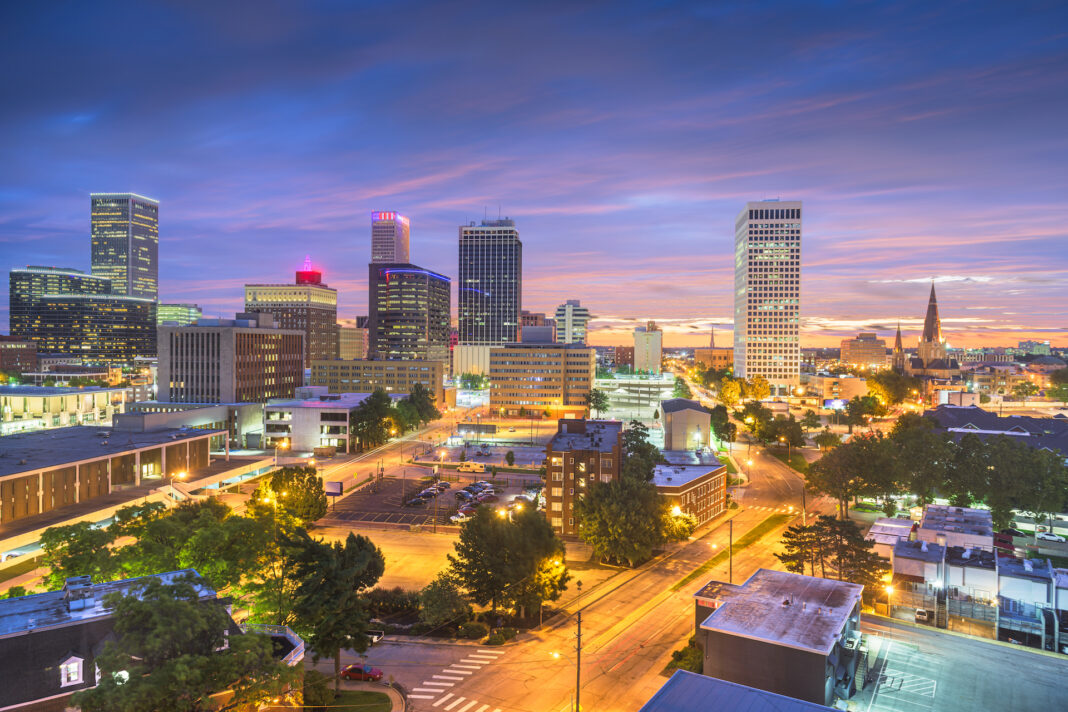
When you’re planning a big move, you want to understand typical living costs in your new location so that you can better budget your household expenses. The cost of living in Tulsa, Oklahoma, is a reason alone to move to this great city. Oklahoma’s reputation as an oil state keeps fuel prices low, and low housing costs mean you can find a desirable place to rent at an affordable price.
Put these elements together with Tulsa’s diverse workforce, a vibrant downtown area, and an array of cultural and entertainment options, and you have a city that appeals to almost anyone. Learn what every renter should know about the cost of living when planning a move to Tulsa.
How does living in Tulsa compare to other places?
If you are thinking about moving to Tulsa, you’ll want to see how it stacks up against other U.S. locations. The cost of living in Tulsa, Oklahoma, ranks 8% lower than the national cost of living. Compared to a city such as Houston, Texas, the cost of living in Tulsa, Oklahoma, is less expensive in nearly every major category, such as food and groceries, utilities, and transportation.
When you live in Tulsa, you can look forward to a dense, suburban vibe. A range of parks, bars, and restaurants make daily life here fun, and you’ll find many families and young professionals calling Tulsa home. What can renters in Tulsa expect to pay in the different cost of living categories?
How expensive is an apartment in Tulsa?
One large component of the average cost of living in Tulsa, Oklahoma, is the housing costs. Although many residents own homes in this city, you can still find affordable places to rent. The average rent in Tulsa, Oklahoma, for a one-bedroom apartment is slightly more than $600 per month.
Of course, what you can expect to pay in rent will change depending on the type of housing you need. You’ll find many apartments available to rent in Tulsa within the $500 to $1,500 range. Use these figures to budget for your move. Apartments with more bedrooms, such as four-bedroom apartments, tend to come in on the higher end of the range, and you can expect to pay more if you’re looking for luxury housing in Tulsa.
An array of affordable housing options makes Tulsa a great place for renters on any budget. The neighborhood you choose within Tulsa also has a significant effect on your monthly rent. Neighborhoods that come in on the more expensive end of the spectrum include Buena Vista Park, East Village, and Sequoyah.
How do I find cheap apartments in Tulsa?
Are you looking for an inexpensive place to rent? You’re in luck. Tulsa offers an abundance of affordable apartments where you can make your home. While the average rent in Tulsa for one-bedroom apartments is around $600 each month, you’ll also find a range of apartments close to and less than $500.
If you’re looking for an inexpensive apartment in Tulsa, you can focus your search on a few key neighborhoods known for their affordability. Explore Central Park, where the average rent is approximately $450 per month, or Forest Orchard, where renters enjoy average rent of approximately $500 per month. You can easily find cheap apartments in Tulsa when you know where to look.
Don’t forget to budget for your security deposit when planning your big move. This common cost should factor into any renter’s list of costs. Security deposits are typically at least a month’s rent — a lower monthly rent can also translate to lower costs at the beginning of a lease.
What is the cheapest rent in Tulsa?
The cheapest rent in Tulsa is typically approximately $450 per month. You can find affordable places in a range of neighborhoods, with Central Park, Forest Orchard, and Mockingbird often making lists of the most affordable neighborhoods for rent.
Even some of Tulsa’s most popular neighborhoods offer apartments with cheap monthly rent. You’ll find average rental prices less than $600 in both Kensington and Heller Park, which are two of the most popular places to live within Tulsa. No matter what your budget may be for monthly rent, you’re sure to find a great place to call home in this amazing city.
What are some of the other Tulsa cost of living averages?
While your monthly rent will play a large role in how much you’ll spend each month in Tulsa, various other factors affect the cost of living in Tulsa, Oklahoma, overall.
How expensive are utilities in Tulsa?
Utility prices are where Tulsa renters can expect to pay slightly more. Average utility prices in Tulsa are about 18% higher than the average nationally. However, many other factors that affect the Tulsa, Oklahoma, cost of living are lower than the national average. Regardless, you can still expect overall savings when you make your home in this city.
How expensive is transportation in Tulsa?
Transportation is one reason the Tulsa cost of living is relatively low. Compared to the national average, expenses such as gas prices and bus fares come in approximately 2% lower in Tulsa.
How expensive are food and groceries in Tulsa?
Renters in Tulsa can also save when it comes to stocking up on groceries. Grocery prices here are about 5% lower than the national average.
How expensive is health care in Tulsa?
Health care in Tulsa also isn’t too expensive. Costs come in approximately 9% lower than the average across the country.
The Tulsa, Oklahoma, cost of living figures demonstrate why this city offers such an amazing place to live. Besides the range of affordable places to rent, you can enjoy costs lower than the national average in nearly every category. From transportation costs to groceries to housing, living in Tulsa comes with plenty of chances to save money and have a high-quality lifestyle.
Contenu associé