So many options exist for great rentals. When you’re searching for the perfect place, you’ll want to make sure you know the differences between townhouses and condos so you can choose the best housing for your lifestyle. From rules to amenities and beyond, here’s what to expect from condos vs. townhouses so you can find the right fit for your personal preferences.
What is a condo?
The term “condo” is common shorthand for condominium, which is a single-resident unit located within a larger building. While condo layouts can vary considerably depending on the building, most properties have several units per floor. That means you’ll probably have neighbors either next to, above, or below you (or most likely, all three). You can find condos in luxury high-rise buildings in urban centers as well as in suburban residential buildings.
One key aspect of condos is the Home Owner Association, or HOA, which is always associated with this type of housing. HOAs are made up of condo owners in a building. The association gathers to discuss the rules and maintenance of the condominium community.
What is a townhouse?
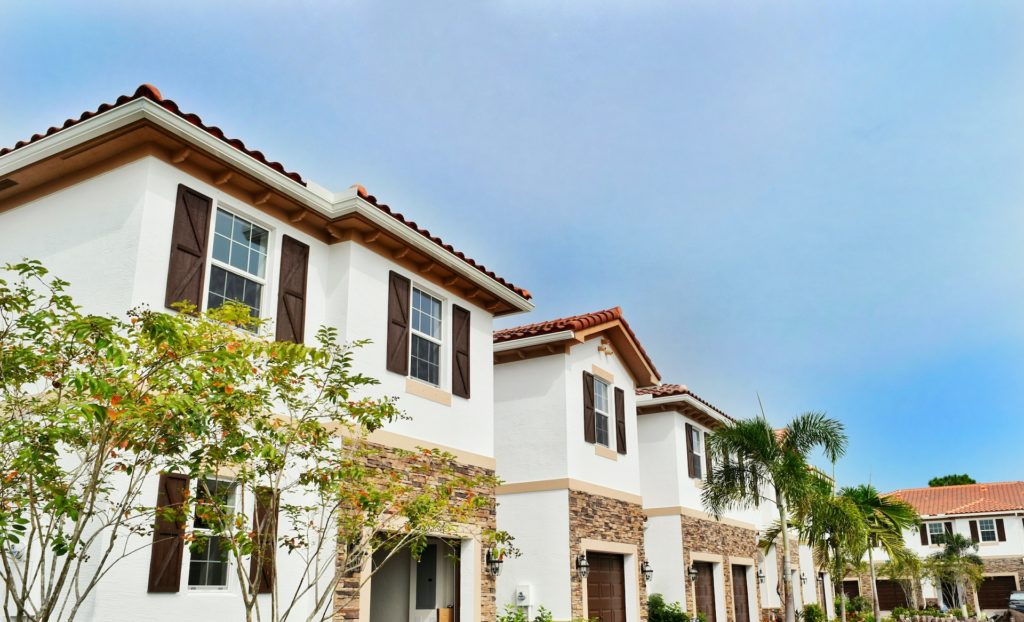
You can understand a townhouse if you imagine a combination of a condo and your typical single-family house. Townhouses are usually two or three stories. While townhouses are part of multi-unit complexes and thus do share walls with adjacent properties, townhouses do not have any units below or above them. A common townhouse layout includes living quarters such as the living room, dining room, and kitchen on the bottom floor and bedrooms on the top floors.
Condo vs.Townhouse: Key Differences
Understanding how living in a condo vs. townhouse will affect your lifestyle (and your wallet!) is important when you’re deciding which type of place to rent. There are many ways that the two housing types differ.
Condo vs.Townhouse: Ownership
Ownership of a condo vs. townhouse comes into play when talking about maintenance. Condo owners are responsible only for the maintenance inside their individual units. Owners then usually pay HOA dues to cover maintenance of the common property, building exterior, and shared amenities. These fees can then get passed down to the renter in some instances.
Two main types of townhouse ownership exist:
- Condominium ownership: This type of townhouse ownership means owning just the inside of the townhouse. Upkeep of the exterior of the home and yards are covered by HOA fees.
- Fee-simple ownership: This type of ownership requires the owner to maintain the home along with the yard, including front, side, and back yards.
As the renter, you may or may not be responsible for maintaining different parts of the property depending on whether you rent a townhouse or a condo. It’s always a good idea to carefully check the terms of your lease so you know what you’ll be expected to do.
Condo vs.Townhouse: Amenities
You’ll have access to common spaces and amenities in the property where you’re renting, so this can have a big effect on your lifestyle.
Condos are known for having great amenities available for residents to share. While specific amenities depend on the building and community, if you’re looking to live in a place with easy access to perks like a gym or pool, you might find exactly that if you go for a condo. Townhouses tend to have fewer amenities than their condo counterparts. That said, many newer townhouse communities are built with an eye to amenities, so it’s possible to find townhomes with features like pools, playgrounds, clubhouses, and more.
Condo vs.Townhouse: Privacy
How much privacy you want and expect will play a big role in the type of housing you choose. Both condos and townhouses usually mean less privacy than you’d get in single-family housing. The balance here is that you’ll live at a property that’s easier to maintain.
If you’re looking for more privacy, townhouses tend to offer a better fit than condos. You’ll have neighbors only adjacent to you (as opposed to above and below you like in a condo). Many townhouses also include yards that are separate from other common amenities. This is a huge bonus if you need a place where kids or pets can play.
Condo vs.Townhouse: Rules
The rules and regulations the HOA sets for your community will also have a big impact on your lifestyle, so make sure you understand the culture of the place you have your eye on before signing that lease. Generally speaking, condos will have stricter rules than townhouses because the HOAs for condos play a bigger role.
Your personal preferences will determine the amount of outside regulation you want to live with. You might have to deal with limits to how you decorate your property, for example. On the other hand, more regulations often mean you won’t have to think about other aspects of your living environment, such as maintenance or assigned parking spaces.
Condo vs.Townhouse: HOA Fees
Townhouses usually have fewer amenities and require less maintenance, and so they’ll also usually have lower HOA fees. However, that means townhouse owners have to pay out-of-pocket for necessary maintenance.
So, will you have to worry about HOA fees if you’re renting? It depends. Your best bet is always to check your lease, which should state who pays for HOA fees. Look into this before signing a lease, too.
In general, landlords pay HOA fees because the HOA could foreclose on the property should the renter fail to pay. A landlord might therefore pay the HOA fee on your behalf, but set a rent amount that takes HOA fees into consideration. In other cases, the lease agreement will state that you’re responsible for paying HOA dues to the association directly. If your lease says the renter is responsible for paying HOA fees, then you’ll need to pay.
Townhouses and condos share many similarities, but there are also key differences that set these two housing choices apart. Understanding what each type of housing means will help you in your journey to find the best possible place to rent for your unique situation.
Ready to find your dream condo or townhouse? Search thousands of places for rent on Zumper and choose the one that’s right for you.
Contenu associé