


No Smells, No Pests, No Problems
You don’t have to live on a farm to learn how to compost. In fact, composting in your apartment is fairly easy. It’s also a good life hack for lightening your trash load, keeping your apartment smelling good, and contributing to a greener planet (and a greener apartment too!).
This guide to composting in your apartment breaks the process down step-by-step. It’s super simple, and when done properly it will turn your stinky rotting food scraps into fresh-smelling earth to invigorate all your potted plants and urban farming projects.
STEP 1: Make the Container
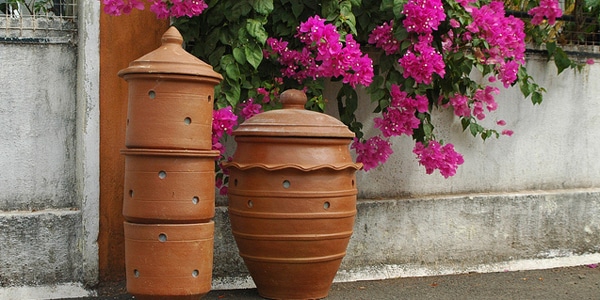
Apartment composting will require a large plastic bin with two lids – one lid for the top and one to place underneath the bottom. Poke a few holes in the bottom of the bin for drainage, and a few holes in the top lid for ventilation. Then place the extra lid underneath to catch water. You can also find some lovely ceramic compost bins at your local garden center. Once you have the bin assembled, place it next to a window or spot that gets plenty of sunlight.
STEP 2: Add the Worms
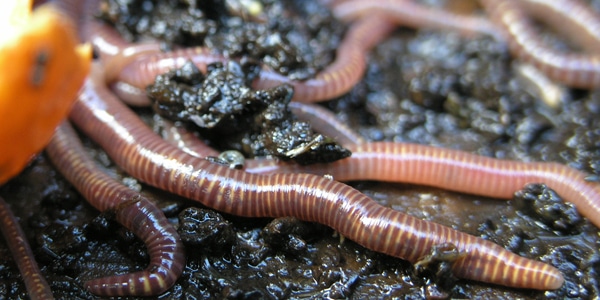
Before you toss any food scraps into the compost bin, you’ll need to purchase some worms and make them a nice home in the bottom of the container. Just shred some newspaper, soak it, and line the sides and bottom of the bin. Then spread a little soil over the paper and drop in the wiggly nightcrawlers. Don’t be grossed out by these tiny critters – they are the ones that will prevent your rotting food from turning into a smelly roach magnet. In fact, once food scraps are eliminated from the trash and start going into your compost for worm food, you should have even fewer smells and pests in the apartment!
STEP 3: Throw in the Scraps
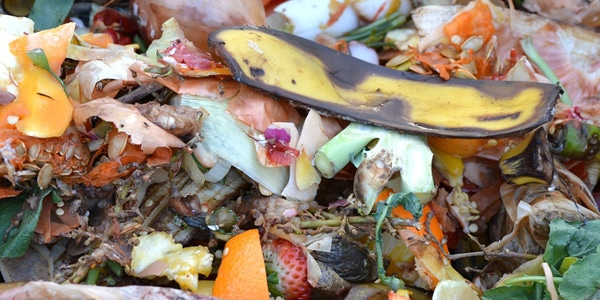
Fruit, vegetables, egg shells, paper, tea bags, coffee filters, leaves, and plant trimmings can all go in the compost bin. Be sure to add more damp newspaper strips, leaves, or dirt each time you throw food in there to eliminate odors and ensure the composting process works efficiently.
STEP 4: Repeat
For best results, go ahead and make an additional compost bin. That way you can rotate them, allowing one bin to “cook” the food scraps down while you throw even more stuff in the other one. In time, you’ll have two containers full of prime potting compost. Feed the plants, make more compost, and repeat the process of turning waste into beauty. Hooray!
Contenu associé


