


 We all know we need to be more eco-friendly. But with the busy schedules of modern life, changing daily routines might feel impossible. Instead of focusing on altering your life, consider making investments that incorporate eco-friendly behaviors into your existing life. Try these seven tips for a more environmentally conscious lifestyle.
Buy Eco-Friendly Furniture
Though it’s easy to grab a mass-produced table from your home, the environmental impact can be severe. Instead, look for eco-friendly furniture, which helps conserve resources, doesn’t use harsh chemicals, and is locally sourced.
The best eco-friendly furniture uses sustainable materials to reduce the impact on the earth, like 100% natural latex, eco-wool and organic cotton, locally sourced or reclaimed wood, and recycled fabric. Once you bring the furniture into your home, it also helps to keep the air clean, because it uses low VOC finishes, and does not rely on fire retardants.
Plus, eco-friendly furniture is made in the USA, so it’s not wasting energy and fuel to ship materials from across the world. You can trust that these reputable brands are monitoring their processes and materials to guarantee they support the health of the planet.
Get Solar Powered
If you live in an area with high energy costs, and your home gets ample sunlight, consider a rooftop solar panel. In some states, modern solar panels can make up for their investment in just 10 years. Solar panels produce zero emissions once installed on your roof, which means their environmental impact is negligible for most of their life. For the average homeowner, going solar is like eliminating the emissions created by a car that drives 18,000 miles per year – a tremendous environment benefit.
Full solar panels aren’t for everyone, but there are still ways you can use this technology. Solar-paneled grills are slowly making their way to market, which is perfect for those who love to host backyard barbecues. These grill can fry, bake or boil a meal for up to eight people using only energy from the sun.
Go Reusable
It’s time to stop relying on single-use plastic, like zip-top bags, plastic cutlery, straws, and water bottles. Instead, invest in reusable versions of your daily products. You can find high-quality versions that last for years, including a plastic wrap alternative that uses beeswax. Buy reusable snack bags, water bottles, and metal straws. If you take your lunch to work, bring your own silverware from home, and pack your food in glass tupperware that can be microwaved. By eliminating the plastic versions from your home, it’s easy to make daily choices that are better for the planet.
You can also cut down on paper cleaning products by using cloth napkins and towels instead of paper towels or wet wipes.
Heat and Cool Your Home the Smart Way
Investing in a smart thermostat like the Nest is an easy way to reduce your impact. These thermostats learn your habits with motion-sensor technology, so they only heat or cool the rooms you occupy, for the hours you’re in them. By tracking your usage via the affiliated app, you can learn how much energy you’re using, and determine how you can lower it.
Most manufacturers claim that a smart thermostat could reduce your home heating and cooling energy use by at least 10-15% and that the thermostat will pay for itself in energy savings in two years or less. So there’s a bit of an investment up front, it quickly pays off.
Reduce Your Chemical Usage
Unfortunately, our homes are likely already full of chemicals. From floor sealers to old paint to the cleaning products under your sink, it can slowly make indoor air quality poor.
Instead, start looking for products with natural ingredients, or that contain low-VOCs.
The next time you’re looking to purchase furniture, seek models that don’t contain these chemicals.
 Conserve Water
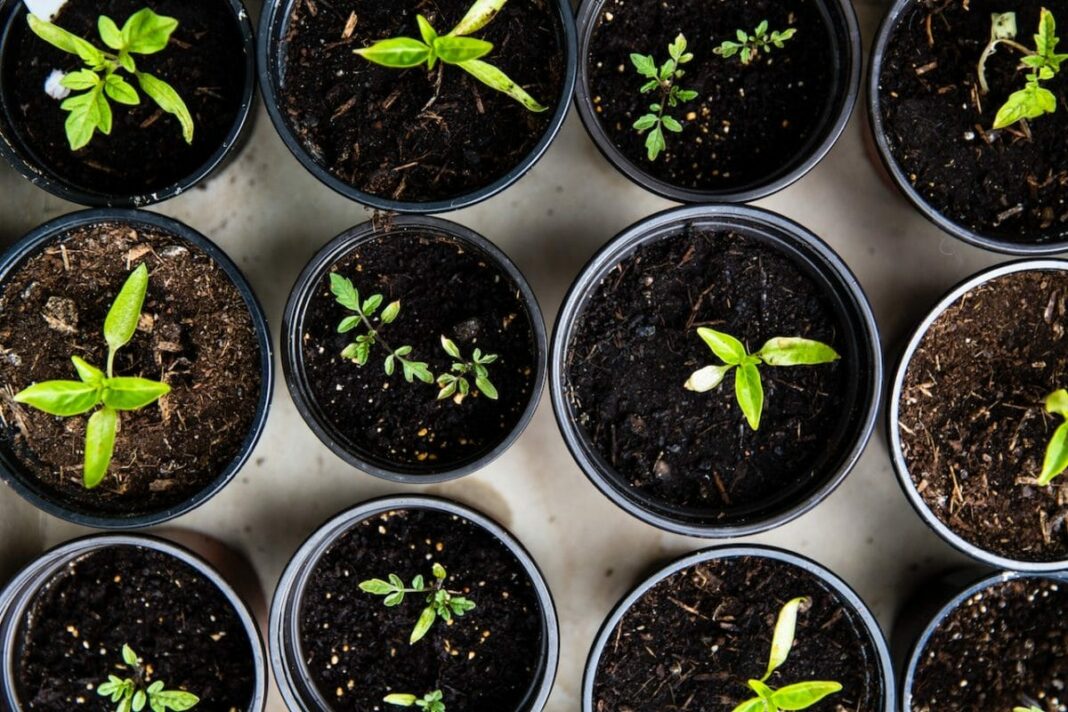 Conserve Water
Water is one of our most precious resources, so it’s important to use it consciously. Remember to turn the sink off while you brush your teeth, wash dishes as efficiently as possible, and only use dishwashers or do laundry when you have a full load.
If you have a grassy yard, look into a smart sprinkler system so you use only the amount of water you need. Regularly check on your sprinklers to ensure a broken one isn’t spewing water into the street, instead of the plants.
Consider Composting
Do you like to garden? Composting your food scraps is an excellent option. Keeping a compost bin to put fruit and vegetable peels, egg shells, coffee grounds, or lawn clippings can help you to reuse your waste. Even if you don’t garden, look into solutions in your community where you can donate your compost, or even give it to a neighbor.
Contenu associé


